Importance of Wastewater Recycling for Industry
Industries consume enormous quantities of water. Water is used to manufacture products, facilitate various unit processes, clean equipment, and many other activities. Industries discharge wastewater after using it once. The industry was able to adopt such a strategy because of abundant and reasonably priced water resources. However, a situation may occur when it will not be easy to produce to meet the rising demands and discharge wastewater at the same time. Also, strict environmental laws and rising costs of treating wastewater may make industry wastewater recycling an economically superior strategy. It is thus imperative that industries recycle their wastewater. Water reuse means treatment of wastewater and putting it to useful activity rather than discharging it. The U.S. Environmental Protection Agency (EPA) defines water reuse as the retrieval of water from various sources for treatment and subsequent use for various purposes. The EPA’s resources on industrial water reuse cover several industrial activities like product and chemical processing, food and beverage production and processing, mining, and energy generation and distribution.
The concept is straightforward. Let’s say the water system in a factory is a road system. A traditional water system consists of a single pathway to transport fresh water and remove used water. In a more complex system, used water is treated and the pathway is designed to allow the circulating water system to be closed. There are many methods and technologies for water treatment, including physical and biological treatment, filtration, membrane processes, and disinfection, as well as other advanced treatment processes. Not all water needs to be treated to the level to enable its use for all possible water uses. Water treatment systems should be designed based on water quality requirements for specific water uses. A water treatment system should be designed to treat water to the quality required for a particular water use. One of the aims of the G20 Water Reuse Initiative, which was announced in September 2026, is to encourage treatment of used water for various uses, based on the quality requirements for the intended use.
What Is Wastewater Recycling in Industrial Facilities?
Wastewater generated during industrial processes is known as industrial wastewater. Industrial wastewater is collected, treated to specified water quality standards and reused in the industry, or in another related industry, in any case, to achieve more efficient use of water resources.
Water is recovered from different processes, unit operations and services within an industry. Industrial wastewater may include:
- Process water
- Rinse water
- Equipment process and equipment cleaning water
- Cooling system water
- Other industrial water streams
The objective of industrial wastewater management is to minimize the quantity of wastewater discharged to the environment and to maximize the industrial water demand.
In order for water to be considered fully utilized, it must pass through the industry's processes and services, and not be discharged directly to the environment. This helps promote a more sustainable water management and conservation strategy.
The EPA has defined industries as potential water recycling facilities and has indicated that industries can and do recycle process water.
Wastewater recycling differs from wastewater treatment in several ways. Conventional treatment systems are designed to meet the requirements for the discharge of wastewater. Systems for wastewater recycling should be designed to evaluate the processes that will follow the treatment systems.
The quality of treated water should be based on the requirements for a specific end-use. For instance, water that is used in the manufacturing process and later vaporized in a boiler, should be of better quality than water used in a cooling tower.
In addition, the treatment of wastewater for recycling should be designed for the specific contaminants introduced in the manufacturing process.
What Is Industrial Wastewater Treatment?
An understanding of the plant's water requirements should precede the treatment of wastewater. Recycling of wastewater should be considered for process water, boiler water, and cooling tower makeup water.
Reclaiming wastewater should be designed to supply process water requirements and meet the process water quality specifications.
Segregating wastewater streams should be considered to satisfy the requirements of wastewater management. Segregated streams can provide better opportunities for reuse and recycle.
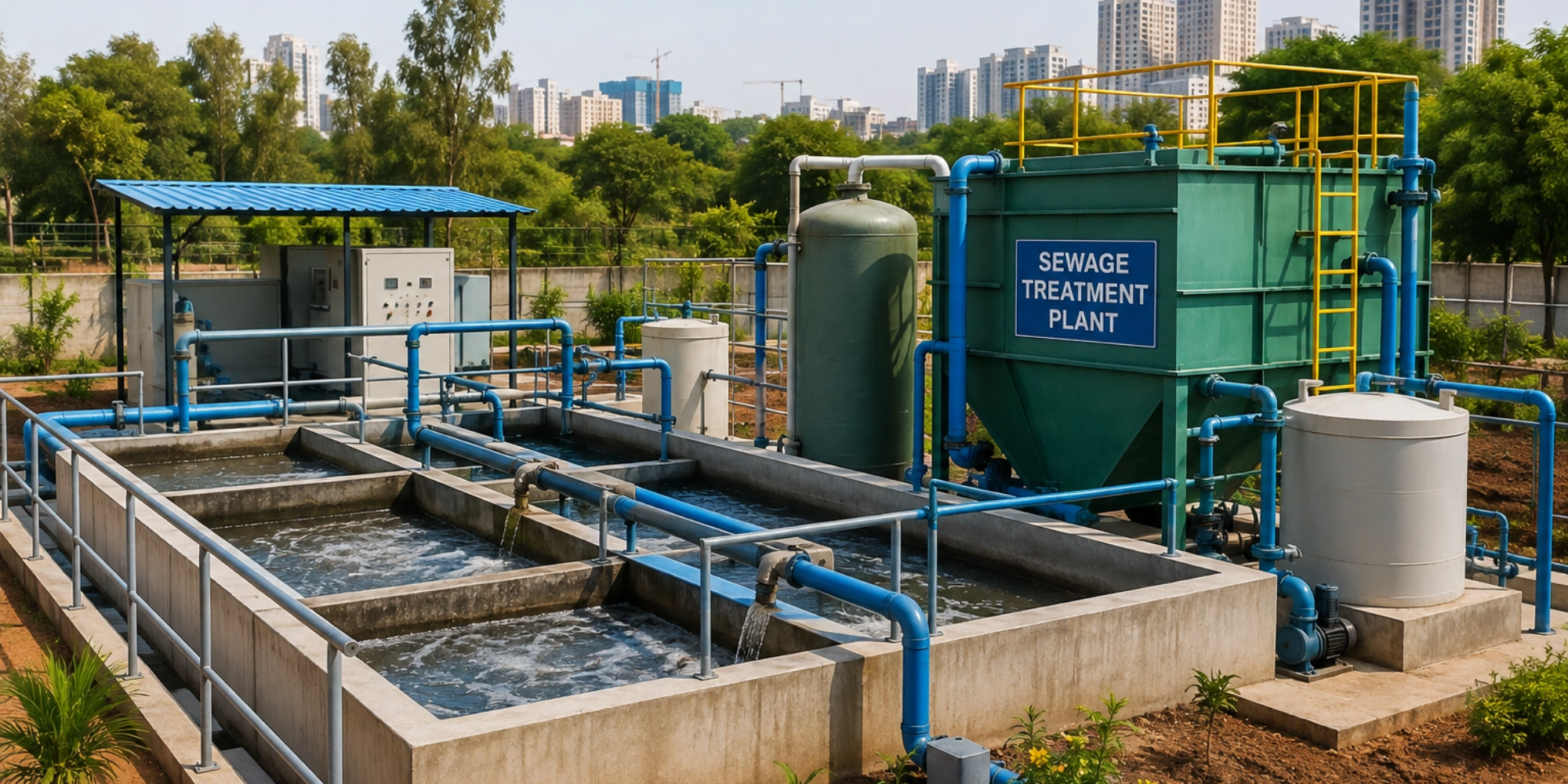
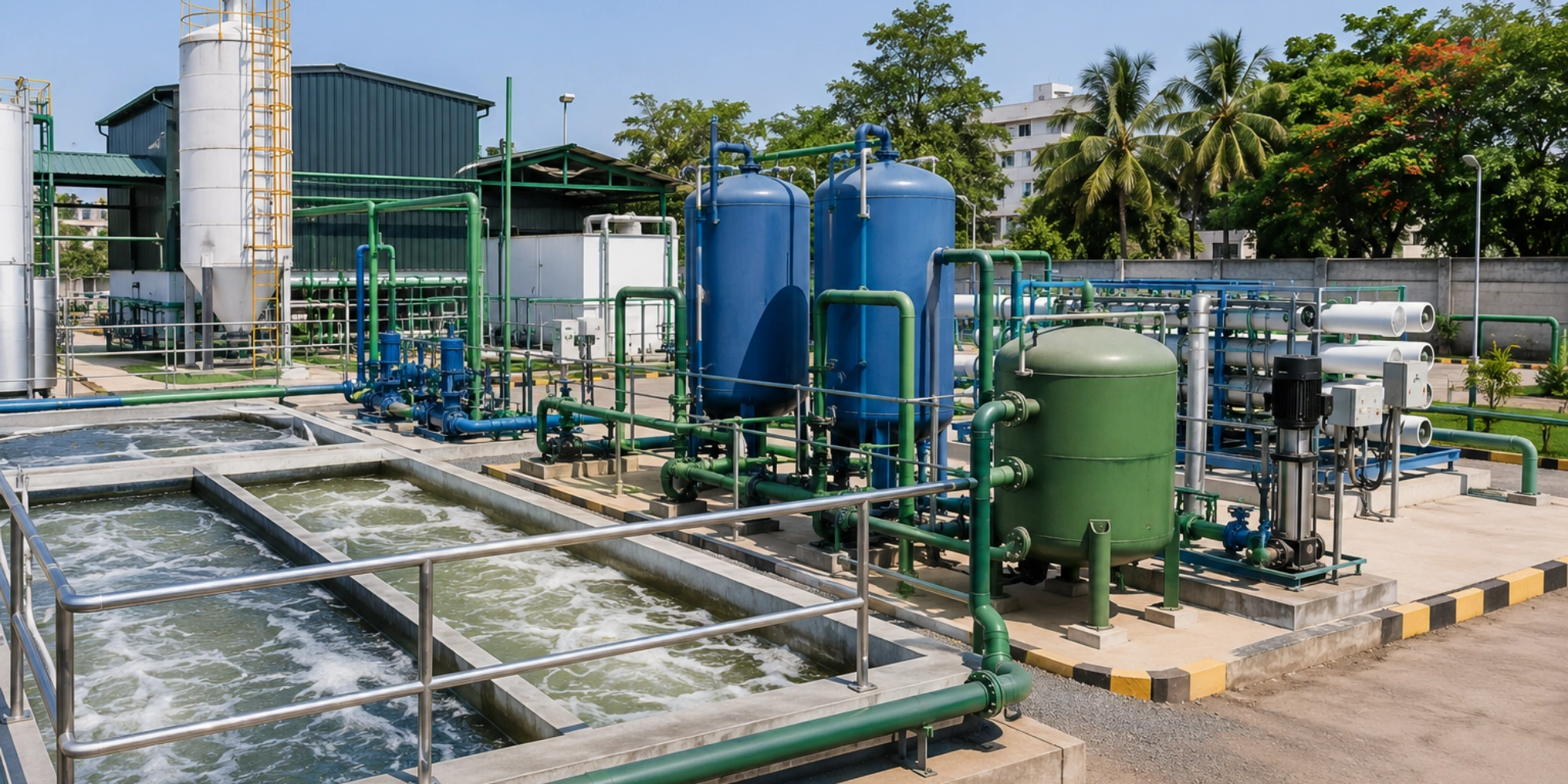
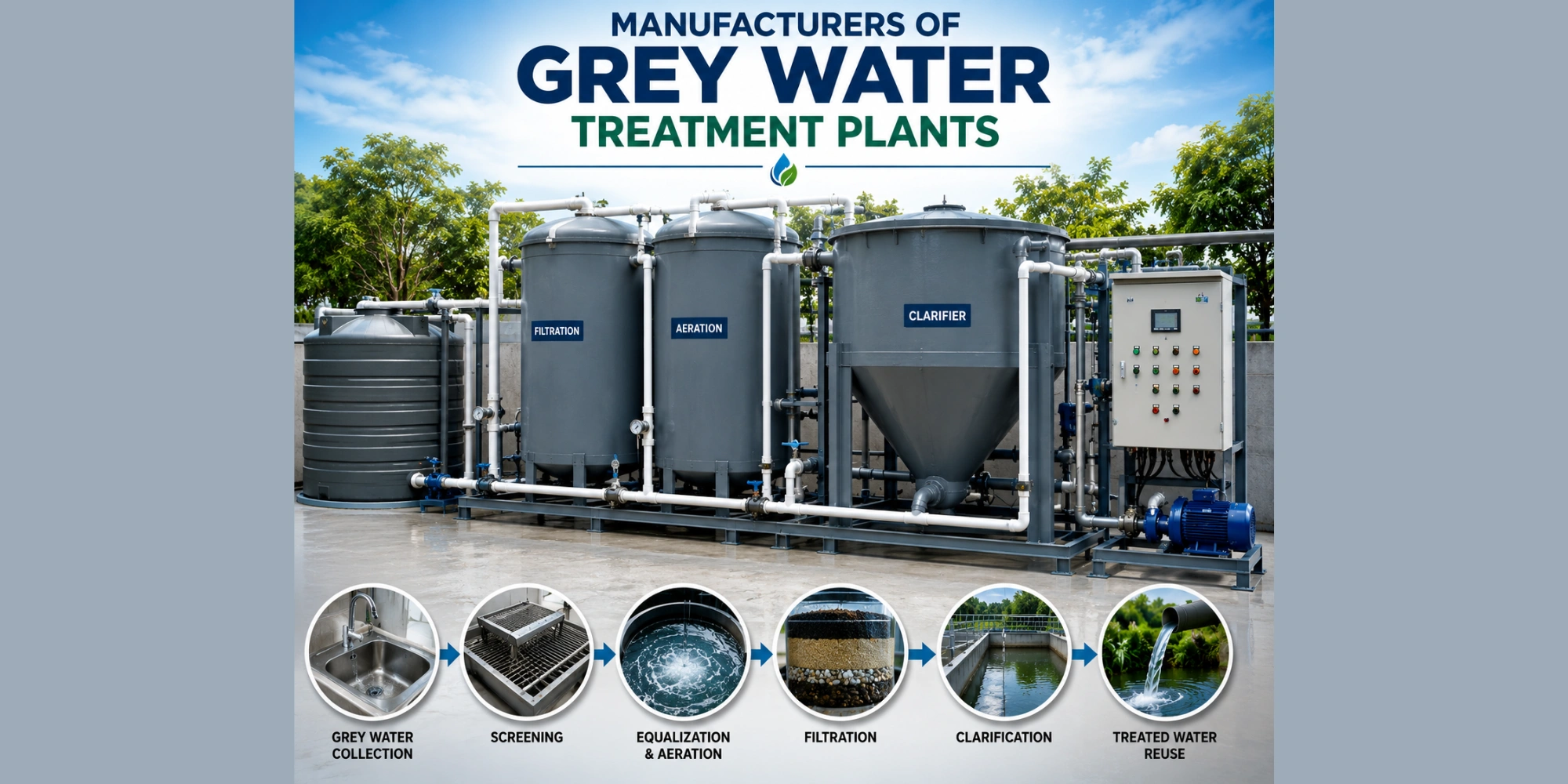
Following characterization, wastewater is routed through treatment stages to achieve the desired qualities for the intended use.
Treatment stages may include:
- Screens
- Clarifiers
- Biological treatment
- Filters
- Ultrafiltration
- Nanofiltration
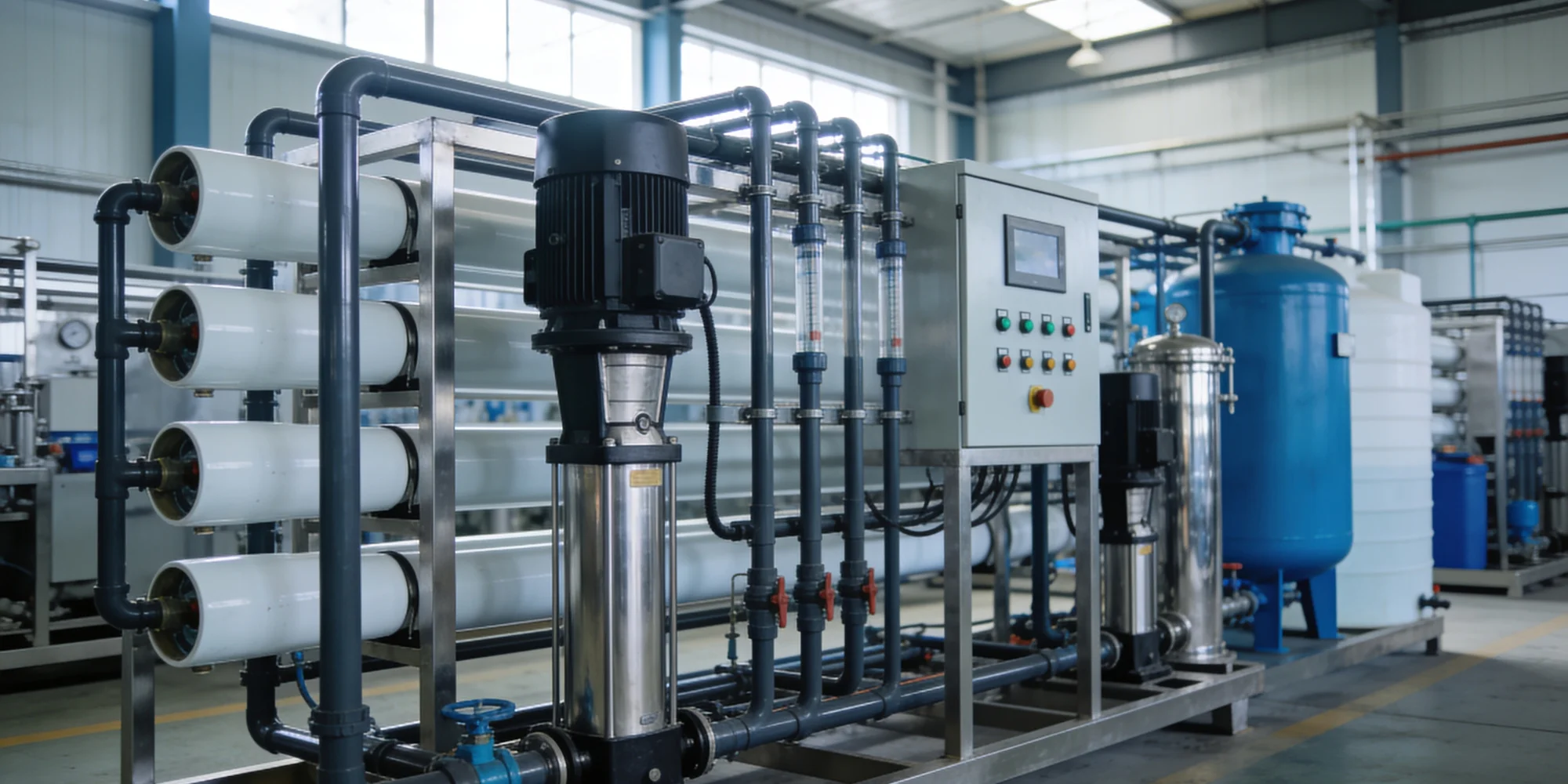
- Reverse osmosis
- Disinfection
Biological treatment may be used to remove a portion of the biodegradable organic matter. Filters may be used to remove particles and improve clarity.
Membrane processes, including ultrafiltration, nanofiltration, and reverse osmosis, may be used in conjunction with other treatment stages.
Prior to use, the treated water must be evaluated to ensure it meets the quality requirements of the user.
Treatment of wastewater for reuse should be designed to include storage, control systems, and other safeguards for the control and handling of purified water and/or treated wastewater that does not meet the established standards.
1. Lessens Dependence on Freshwater
One of the main benefits of industrial wastewater treatment is that it lessens a company’s dependency on freshwater sources.
A factory can use reclaimed water for processes that require the repeated use of water, like cooling and processing.
The extent to which the factory can replace freshwater with recycled water depends on the characteristics of the wastewater and the requirements of the process.
The greater the volume of water a factory uses and the more continuous its operation, the greater the benefit of recycling water.
A factory that is less dependent on freshwater supplies satisfies a larger part of its water requirements from an alternative source and reduces the risks associated with freshwater supply.
CPCB states that the recycling of wastewater reduces requirements for freshwater. The CPCB’s guidelines on wastewater reuse also state that wastewater reuse reduces the demand for freshwater.
This is of particular significance in the context of industries located in water deficit regions. Use of reclaimed water reduces the volume of freshwater that a facility needs to procure and transport to the factory.
A factory that uses reclaimed water for non-potable uses is likely to be more effective in managing the water in its location. Water reuse and recycling is particularly of strategic interest to a factory considering further expansion.
2. Reduces Industrial Water Expenditures
Industrial facilities can incur many water-related costs, including:
- Raw water pumping and treatment
- Wastewater treatment and disposal
- Water quality compliance
- Other water management costs
Industry often views water as a operational expense because water is used in a production process and becomes wastewater that must be treated.
Industry then incurs water costs to bring the water to the facility and wastewater costs to remove the facility. Water is considered a true cost driver because industry is charged for water twice, once to bring the water to the facility and again to remove it.
Industry can reduce true cost-drivers by recycling process water.
There are several situations where water recycling is the more economical treatment alternative. The Comptroller and Auditor General of India (CAGB) reported that if an industry enters into a water reuse agreement, it can obtain treated water at a lower cost than fresh water.
EPA’s research identified that water re-use or recycling can reduce a facility’s fresh water intake and wastewater treatment costs.
In order to evaluate the true economic impact of water recycling, a facility should analyze the full cost of water supply and wastewater treatment and management.
3. Supports Water Security and Operational Resilience
Water is essential for a variety of functions in commercial and industrial operations. An unexpected interruption of water services could impact several processes, including:
- Production processes
- Water-based services
- Plant support functions
For facilities with high water demand, interruptions in water services could become Critical Water Stress and impact the production schedule and service.
Water Recycling is one strategy to improve water security and resilience. This strategy may also improve water sustainability.
The U.S. EPA's Water Reuse Action Plan (WRAP) 2026 sets targets to accelerate water reuse in several sectors, including the industry sector.
Water recycling reduces the commercial and industrial facility water supply risks and increases water supply resilience. This strategy does not eliminate all water supply risks.
The use of recycled water to perform a function in a commercial or industrial facility reduces the demand for potable water. This is also true for the use of other water resources.
Transportation of cargo by more than one mode provides flexibility and reduces risks associated with transportation by one mode. Transport by more than one mode also reduces vulnerability.
The use of recycled water to perform a service in a commercial or industrial facility is comparable to adding another mode of transportation to transport the service. This is especially the case for facilities located in water-stressed and competitive regions.
4. Reduces Wastewater Discharge
In addition to reducing demand on water supplies, industrial water recycling can reduce the amount of treated wastewater discharged from a facility.
Water treatment system design focuses on recovering as much water as possible for reuse while controlling the volume and concentration of wastewater discharge.
Depending on the design of the treatment system, the volume of wastewater discharged can be significantly reduced.
The treated wastewater discharge, if properly purified, can help reduce the pollutants that industries discharge to water bodies.
Reuse of treated sewage for various purposes is recognized by the EPA and CPCB for the reduction of pollution of water bodies, and as an environmental benefit of water recycling.
However, this benefit is realized only if the waste management authorities and treating agencies involved properly address the final waste streams.
A recycling system should be looked at as a component of the entire system involving wastewater, air, and solid waste.
Such a system can be designed to integrate water treatment and pollution control to achieve an overall system for the control and reduction of industrial pollution.
5. Allows Industries to Comply with Environmental Laws
Environmental laws influence industrial water management. Like other environmental regulations, law and permit specifications pertaining to wastewater management depend on a facility’s location and the industry.
As with air emissions, permits for wastewater discharges may include requirements to achieve a specific level of pollutant removal or pollution control prior to final discharge.
As such, process water and/or wastewater should be systematically managed to reduce the load and volume of constituents requiring final discharge to the environment.
This provides an incentive for industrial managers to take a more system-level view of the water and wastewater streams for their facilities rather than implement end-of-pipe wastewater treatment.
While wastewater treatment and recycling, in and of themselves, may not address compliance requirements for wastewater discharges, such treatment and recycling are permissible under certain conditions and circumstances.
The limitations may vary depending on the condition and nature of the wastewater to be treated and recycled. Even treated wastewater may not be free from regulatory restrictions regarding its discharge.
The EPA has indicated that in determining the level of treatment required for an industrial wastewater stream, the primary consideration is the kind and degree of contact with humans and the environment.
6. Improves Water Efficiency in Cooling Systems
In numerous industries, removing process heat typically requires the use of large quantities of water.
Industries and facilities include:
- Power processing facilities
- Fossil fuel processing facilities
- Manufacturing facilities
- Chemical processing facilities
- Data processing and storage facilities or data centers
Water of virtually any quality can be used for such cooling purposes, and in many cases, the use of higher quality water for industrial cooling can be replaced with wastewater.
Reuse of wastewater for industrial cooling is recognized by the EPA and other organizations. Industry examples supported by the EPA demonstrate the use of reclaimed water for industrial process and facility cooling.
The goal of the cooling system is to remove heat, and the performance of the system should not be compromised.
Cooling system water and recirculated process water contain countless dissolved and suspended substances that, if uncontrolled, can accelerate corrosion and fouling of equipment.
If the characteristics of process and cooling water are actively managed, equipment performance and reliability can also be ensured.
7. Allows for Use in Boiler and Process Water Systems
Process waters for steam generation and other process functions can be significant water use sectors in certain industries. Reclaimed waters can be evaluated for use in such applications.
Boiler water treatment can reduce scaling and corrosion, and therefore equipment and system reliability. If water quality for process or system function is appropriately controlled, process performance and system equipment can be reliability maintained.
Industrial water reuse is common in several applications, including:
- Cooling
- Processing
- Boiler feeds
The EPA has identified the industrial sectors of petroleum refineries, chemical plants, metalworking facilities, and power plants that have potential to use reclaimed water for various process and/or cooling services.
Prior approval from the local public water authority is normally required to connect to the water supply for such industrial water uses.
Evaluating the potential water quality and process effects is important before implementing such water reuse.
Based on water quality, a boiler or process water make-up application may be appropriate over a cooling service water application.
Industry water quality and process requirements vary. Water reuse applications should be evaluated on a case-by-case basis.
The flow of water within the context of a typical industrial water management system is straightforward.
It consists of:
- Extracting water
- Using water
- Generating wastewater
- Treating the wastewater
- Eventually discharging it
A more sustainable management system is designed on the principle of water recycling, which embraces the concept of water flowing in a closed system and interacting with several units in the system.
While it is incorrect to assume that all the water extracted by an industrial facility can be recycled, it is prudent to reduce the dependence on fresh water by recycling water that is available within the industrial facility.
A similar concept is embraced by the U.S. Environmental Protection Agency, which encourages the reuse of water to reduce the overall demand on water resources.
In wastewater management, it is often helpful to evaluate the overall water balance to identify opportunities to improve the system.
Understanding the water balance of a system often provides an opportunity to utilize wastewater that is unsuitable for a specific process to satisfy the requirements of a less stringent process.
9. Could Improve Use of Other Resources
Beyond saving water, recycling wastewater can provide other cost benefits.
Depending on the raw materials and by-products of an industrial process, wastewater can be a source of:
- Salts
- Acids
- Metals
- Other products and by-products
Assessing the potential for raw materials in wastewater can help identify opportunities for closing a raw materials bottle neck in a process and reduce the load on a wastewater treatment system.
Research by the EPA in the 1970s and 1980s documented the case of wastewater recycling for the recovery of products and by-products.
Since then, recycling wastewater to recover products has become more common. Wastewater treatment and water recycling are complementary.
It is important for the industries that produce wastewater to evaluate what, if any, resources are contained in that wastewater.
This can help shift the focus from an expenditure for wastewater treatment and an environmental liability to a potential resource and cost recovery.
10. Lessens Demand on Local Water Resources
Exceeding the capacities of local water resources leads to environmental stress and other problems. Recycling of industrial wastewater helps address some of these problems, particularly if done on an extensive scale.
CCBP identifies sewage recycling and reuse as leading to less reliance on traditional water sources and the conservation of freshwater resources.
Water reuse, according to the EPA, fortifies and expands the potable water supply.
The importance of this benefit is relative to the region. A water-rich region may place different constraints on a facility located in a water-poor region.
When assessing the need for water recycling, a company needs to analyze:
- Regional water conditions
- Level of water stress
- Seasonal variations
- Water dependency
- Future water requirements
- Future water constraints
11. Enhance Sustainability
The desire to decrease environmental impact and improve sustainability has increased the emphasis on the use and application of environmental resources.
Recycling and reuse of water reduces the volume of water discharge and ultimately makes social, environmental, and economic sense for the company.
Water is a critical resource and its beneficial management plays a significant role in achieving the company's objectives of sustainability.
Measurable results should be the foundation of sustainability claims. Companies can measure many data points related to water and wastewater.
If trends indicate progress toward environmental benefits, the project is likely achieving environmental gains.
Water reuse provides many environmental benefits and is recognized as such by the EPA. Thus, recycling water often improves sustainability.
If water is used in a process, sustainability improvements and ecological benefits may be achieved by evaluating water use prior to and following process water recycling.
12. Provides Long-Term Operational Benefits
A water recycling system is more appropriately viewed as an improvement to a facility's water management system.
In many cases, the primary benefit of a wastewater recycling system is achieved by improving the reliability of water supply.
When the system is initially implemented, it may meet some environmental objectives; however, the main justification for the system may be achieved by better managing water costs.
A system designed to improve flexibility by incorporating water recycling may provide operational benefits when uncertainty increases in water supply.
Good engineering and maintenance is critical to the long-term success of a system.
Important considerations include:
- Pumps and membranes have a finite life
- Treatment requirements evolve over time
- Systems must be constantly monitored and adjusted
- Wastewater treatment and production processes must be well understood
- Continuous improvement programs should address operational inefficiencies
The focus of the business case should be on costs associated with the entire lifecycle of a system and not just the capital cost.
What Industries Are Wastewater Recycling Systems Appropriate For?
Different industries have different potentials for wastewater recycling.
Treatment of wastewater for various industries may vary, and the options for use of treated wastewater may also vary.
Industries that may have potential for wastewater treatment and recycling include:
- Manufacturing
- Food & beverage
- Pharmaceutical
- Chemical
- Metallurgical
- Petroleum
- Microchip manufacturing
- Mining
- Energy
- Metalworking
- Pulp and paper
Each industry has its own recycling system. One textile plant recycling system may not work for a food plant recycling system, and both may not work for a semiconductor plant recycling system.
Each system is designed to treat specific waste streams and meet specified water quality standards. The best treatment system is determined by the effluent and water quality standards.
14. What Technologies Are Used For Wastewater Recycling?
There are a variety of treatment technologies that can be integrated to reclaim industrial wastewater.
The treatment configuration selected is based on several factors including:
- Nature of the contaminants
- Flow rate
- Required water quality
- Operating conditions
- Intended use of the recycled water
Key treatment stages for wastewater reclamation include:
| Treatment Stage / Technology |
|---|
| Screening |
| Equalization |
| Coagulation and Flocculation |
| Biological Treatment |
| Filtration |
| Disinfection |
| Activated Carbon |
| Membrane Technologies |
| Advanced Oxidation Processes |
Advanced treatment to address refractory contaminants can be achieved through the use of various advanced oxidation processes and other related processes.
There are several treatment technologies available to meet the objective of wastewater reclamation.
The choice of an appropriate treatment technology is based on a detailed analysis of the wastewater to be treated, and the nature of the objectives to be achieved.
The EPA has developed a number of papers relating to reuse of wastewater by industries and holds the view that treatment technologies for reuse are application specific and a given technology should not be applied in a generic manner.
15. What Should Industries Consider Before Installing a Recycling System?
When thinking about industrial wastewater recycling, it’s important for a company to first analyze their water system, and determine what water is being used throughout the system, where it is being consumed, and where wastewater is generated.
A water audit is typically used to determine the aforementioned information.
Once the company has this information, they should consider the potential applications for water reuse.
Water savings provide an economic benefit to the company, however, there may be legal limitations to reuse.
It is often beneficial for the company to hire an outside civil or environmental engineer to determine practical reuse opportunities, and to design a plan to implement water reuse.
When considering industrial wastewater recycling, there are a few factors to consider:
- What type of pollutants do you want to remove?
- How much wastewater is available?
- What is the water reuse potential?
- What is the water quality of the reclaimed water?
- What is the cost of the water reuse system?
- What is the expected operating cost?
- What is the expected system maintenance?
- How will system water reuse impact the environment?
- What are the potential legal constraints?
- What will happen if the wastewater reuse system is not functioning?
It is important for the cost of water reuse system to be reasonable, and the system must produce water that is appropriate for its intended use.
The best projects are the ones that implement a wastewater treatment system to meet a company’s water saving goals.
16. Challenges of Recycling Industrial Wastewater
There are several obstacles to wastewater treatment and recycling, including variability in water quality.
Industrial processes are variable and complex, leading to changes in wastewater characteristics from one batch to the next.
Further, treatment systems must be designed to accommodate this variability.
Common challenges include:
- Variability in wastewater quality
- Fouling
- Scale formation
- Corrosion
- Biologic deposit growth
- Energy consumption
- Management of system concentrates
- Wastewater storage costs
- Pumping costs
- Treatment costs
- System integration challenges
Energy consumption is an important consideration, especially for systems using membrane technology.
Management of system "concentrates" is important because constituents of the wastewater do not magically disappear; they must be disposed of in an approved and controlled manner.
Recycling of wastewater increases the requirement for water treatment systems. Costs associated with the storage, pumping and treatment of wastewater must be considered.
This systems-integration approach creates challenges during design and implementation.
Feasibility studies are important to assess the economics of a system.
Wastewater treatment systems should be designed in a holistic manner to balance treatment costs, water quality and quantity, and reliability.
17. Wastewater Recycling Program
To begin, a baseline is established by measuring fresh water intake, waste water output, and qualitative and qualitative characteristics of water in use.
Simultaneously, the company considers where and how waste water is discharged.
Once this information is compiled, opportunities for waste water re-use are prioritized.
A company is likely to find an easier, but more sophisticated opportunity. For example, reusing waste water for irrigation is less complex than using reclaimed water in a manufacturing process.
A wastewater recycling program can generally follow these steps:
- Measure fresh water intake.
- Measure wastewater output.
- Evaluate water quality characteristics.
- Determine where and how wastewater is discharged.
- Identify and prioritize wastewater reuse opportunities.
- Evaluate appropriate treatment options.
- Treat wastewater to meet the requirements of the reuse application.
- Integrate the treatment process within the overall industrial process.
- Operate and maintain the treatment system.
- Measure performance and establish a baseline for continuous improvement.
Companies should evaluate treatment options for prioritized opportunities. Waste water is then processed to meet the needs of the re-use activity.
After the treatment process is designed, it is integrated within the overall process. The treatment process is then operated and maintained.
Performance should be measured to establish a baseline for improving the treatment process.
This process enables companies to develop a water management program to meet the needs of their operations.
18. The Increasing Importance of Industrial Water Recycling
There are many reasons why industrial water recycling is becoming more essential including, water security and resource efficiency.
In 2026, the EPA released Water Reuse Action Plan 2.0. This report outlined objectives and strategies for water reuse in industrial, manufacturing and other processes.
In 2026, the G20 Water Reuse Initiative was launched, with the objective to promote safe water reuse throughout the member countries.
Traditionally, wastewater has been considered as a by-product or a stream of waste. However, there is growing recognition to the effect that water has on various processes and the benefits of recycling water.
In conjunction with improving treatment, the focus has been on improving integration of water processes and reducing water usage in industrial and manufacturing processes.
Advances in water and wastewater treatment have enabled integrated processes to minimize water usage.
In addition to improving treatment, new processes and technologies are enabling better integration and more efficient use of water.
The same technologies allow processes to be designed to intentionally integrate water, wastewater and effluent treatment, to improve efficiency and reduce stress on water resources.
Conclusion
Recycling wastewater saves water and offers a variety of other benefits.
For instance, if a company recycles enough wastewater to meet its freshwater needs, it could reduce the cost of freshwater supply and reduce the volume of wastewater it discharges.
Furthermore, it can help achieve its goal of conserving water and reducing pollution. A recycling program can enhance a company’s effort of responsible water management.
The EPA and CPCB have endorsed water recycling and reuse programs to address water conservation and pollution control.
Water reuse programs, specifically industrial water reuse programs, are of great interest to the EPA.
Recycling wastewater can provide numerous benefits, but it is important to consider the type of wastewater being treated and the industry it is associated with.
Recycling wastewater can help provide a secure supply of water. This is particularly useful in areas where freshwater supplies are limited and wastewater reuse is regulated.
The type of treatment technology chosen plays a key role in alleviating the perception that wastewater is an expense.
This is particularly important if an industry is interested in improving its water resiliency.