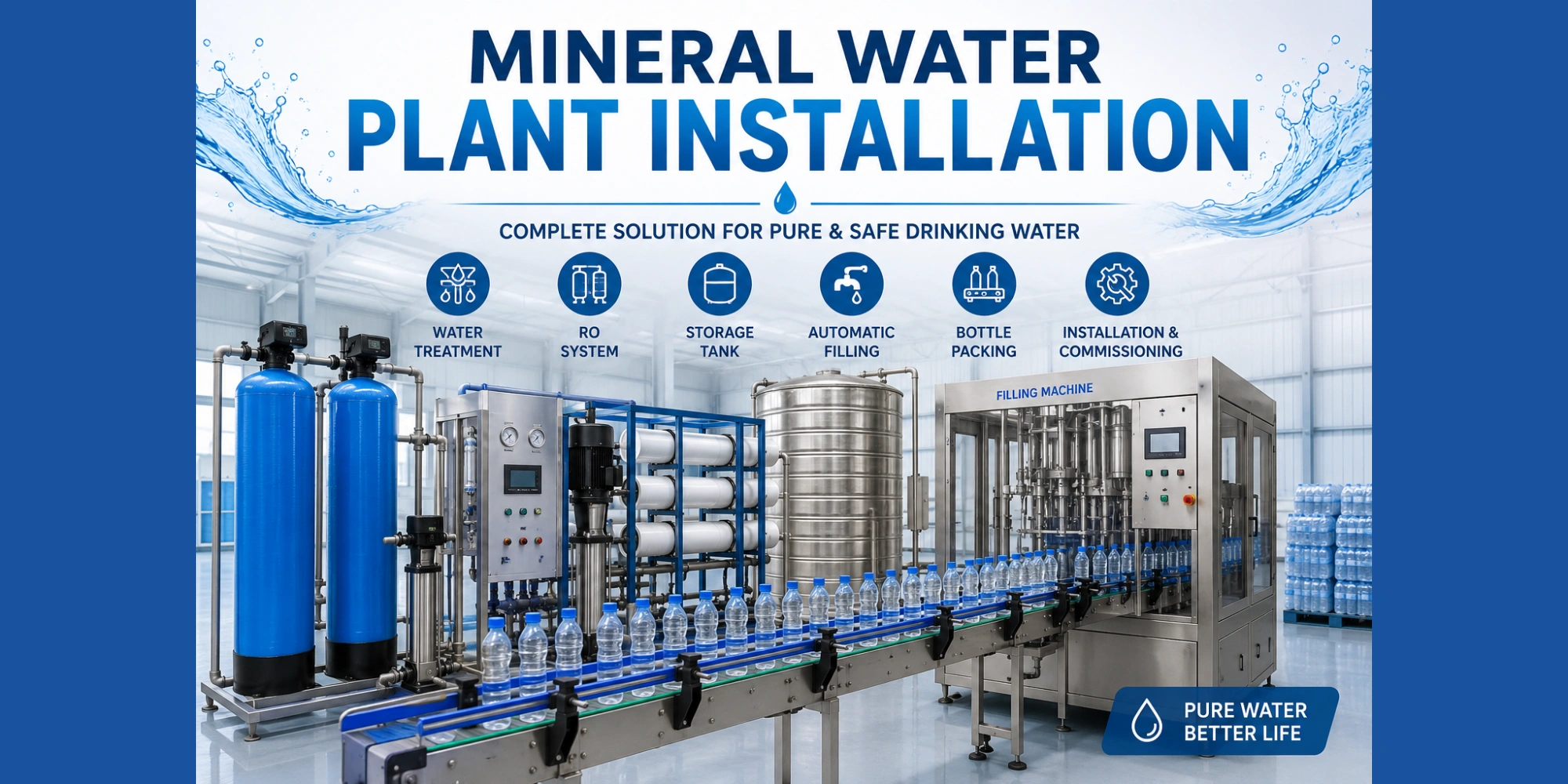
Affordable Water Treatment Plant in Hyderabad: Complete 2026 Buyer's Guide for Homes, Apartments & Industries
People have begun to recognize the significant benefits of purchasing affordable water treatment plants in Hyderabad. With the ongoing rapid expansion of residential clusters, IT Parks, the pharmaceutical industry, hospitals, hotels, and manufacturing in Hyderabad, there is an increasing need for clean and safe drinking and utility water. Meanwhile, the quality of groundwater in Hyderabad is inconsistent with many areas containing hard water with high Total Dissolved Solids (TDS). This situation is very inconvenient for households and businesses that have to rely on bore well water or on water of mixed sources.
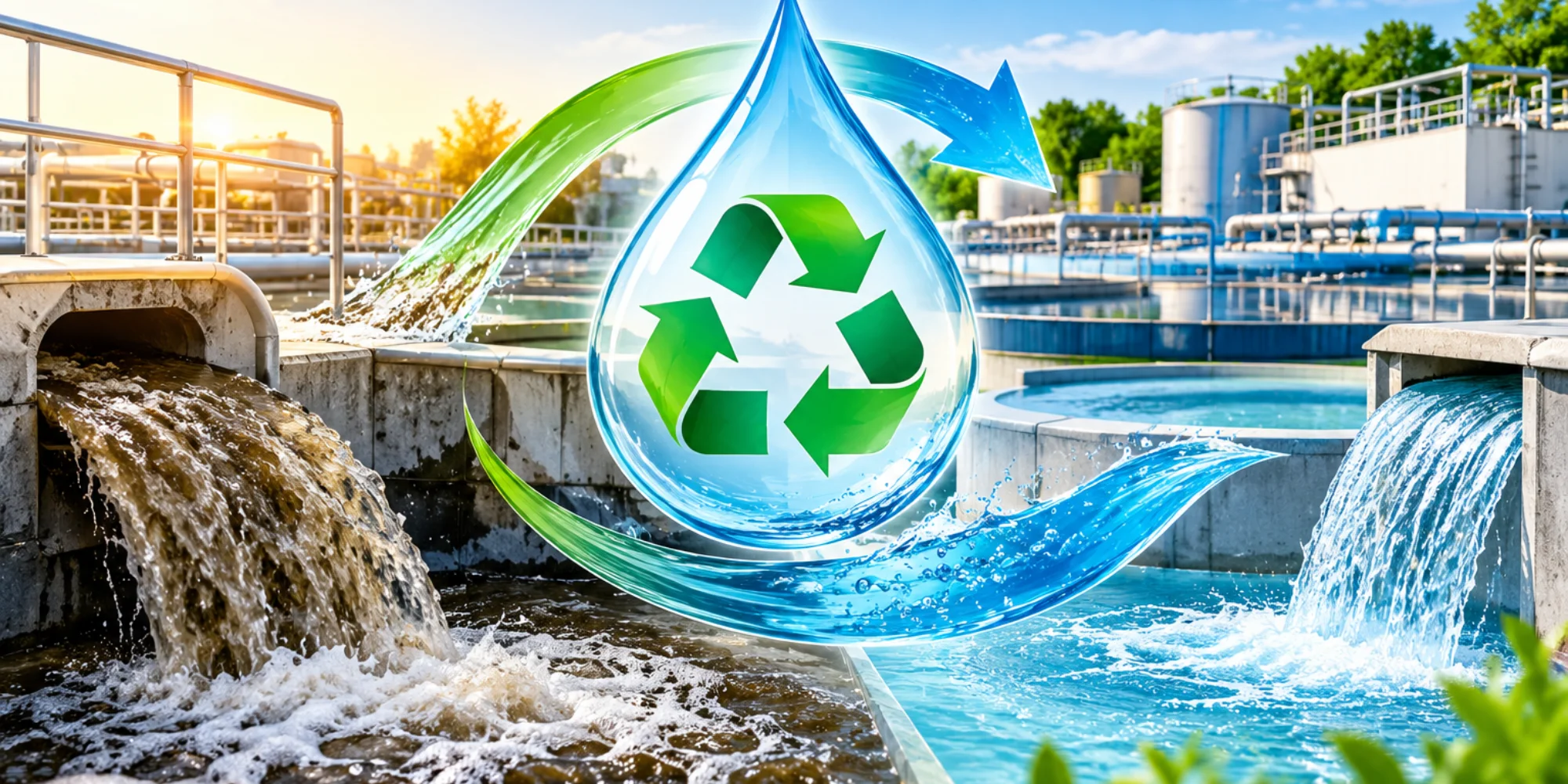
According to a few recent reports, Hyderabad, has been investing a significant amount of funds on treated wastewater reuse. Currently, the city has a daily output of over 2,000 million litters (MLD) of treated water from sewage treatment plants, and city authorities are planning to implement a large-scale grey water reuse system in an effort to alleviate the growing demand for freshwater. The current trend indicates the rising need for advanced water treatment systems to cater to the growing demand for drinking and non-potable water.
Purchasing a treatment plant that has been well designed and built, will be a good economic investment in the long run especially for people that own apartments, factories, hospitals, schools, restaurants, and even households. The initial cost of purchasing a treatment plant will be significantly less than the ongoing costs of purchasing water by tanker, the costs of hard water on equipment and the costs of bottled water.
Current Water Challenges in Hyderabad
Demand for water in Hyderabad has increasingly outstripped supply over the last decade. Rapid population increase has been the primary cause. The problem has become particularly acute in the rapidly developing suburbs in the western parts of the city. In the Gachibowli, Kondapur, Tellapur, Nallagandla, and Madhapur areas, summer months frequently see ground water depleted and heightened reliance on private water tankers. The dwindling ground water levels and water tanker shortages have caused several communities to experience notable spikes in their monthly water bills.
Excessive hard water remains an issue for the city’s residents. Hard water contains excess calcium and magnesium and leaves bathroom fittings stained, reduces soap effectiveness, damages geysers, clogs pipes, and reduces the life of washing machines. Elevated levels of total dissolved solids negatively impact the taste of drinking water and increase the maintenance costs of household reverse osmosis systems. In local community meetings, there is a persistent call for either water softeners or commercial reverse osmosis plants to address these issues.
Beyond drinking water, industry also has water supply concerns to meet manufacturing needs. Water needs to be of a certain quality to be of a certain standard for manufacturing, to safeguard equipment, and to meet pollution control requirements. This has led to an increased need for bespoke water treatment systems in the various industrial segments in Hyderabad.
What is a Water Treatment Plant?
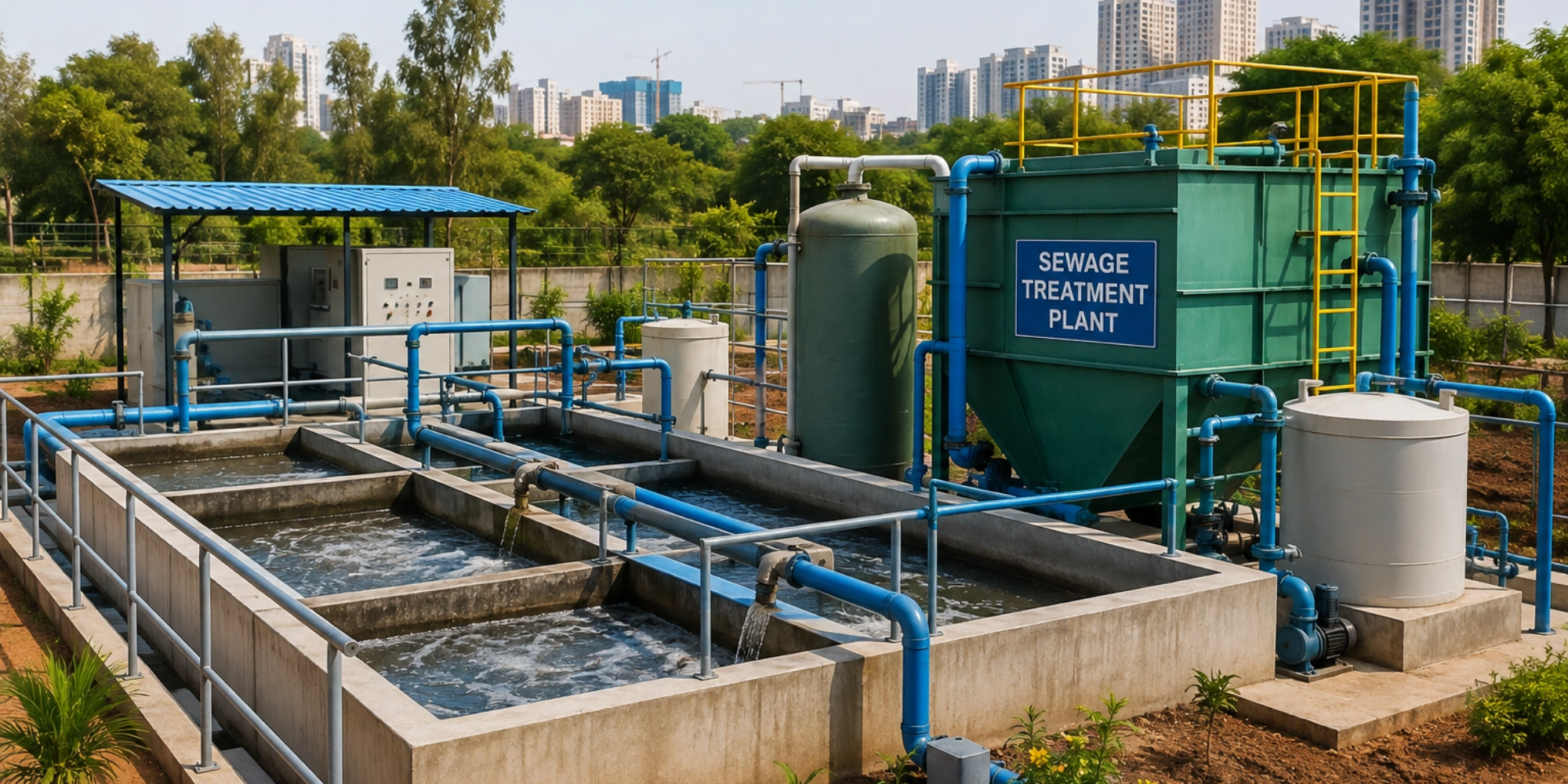
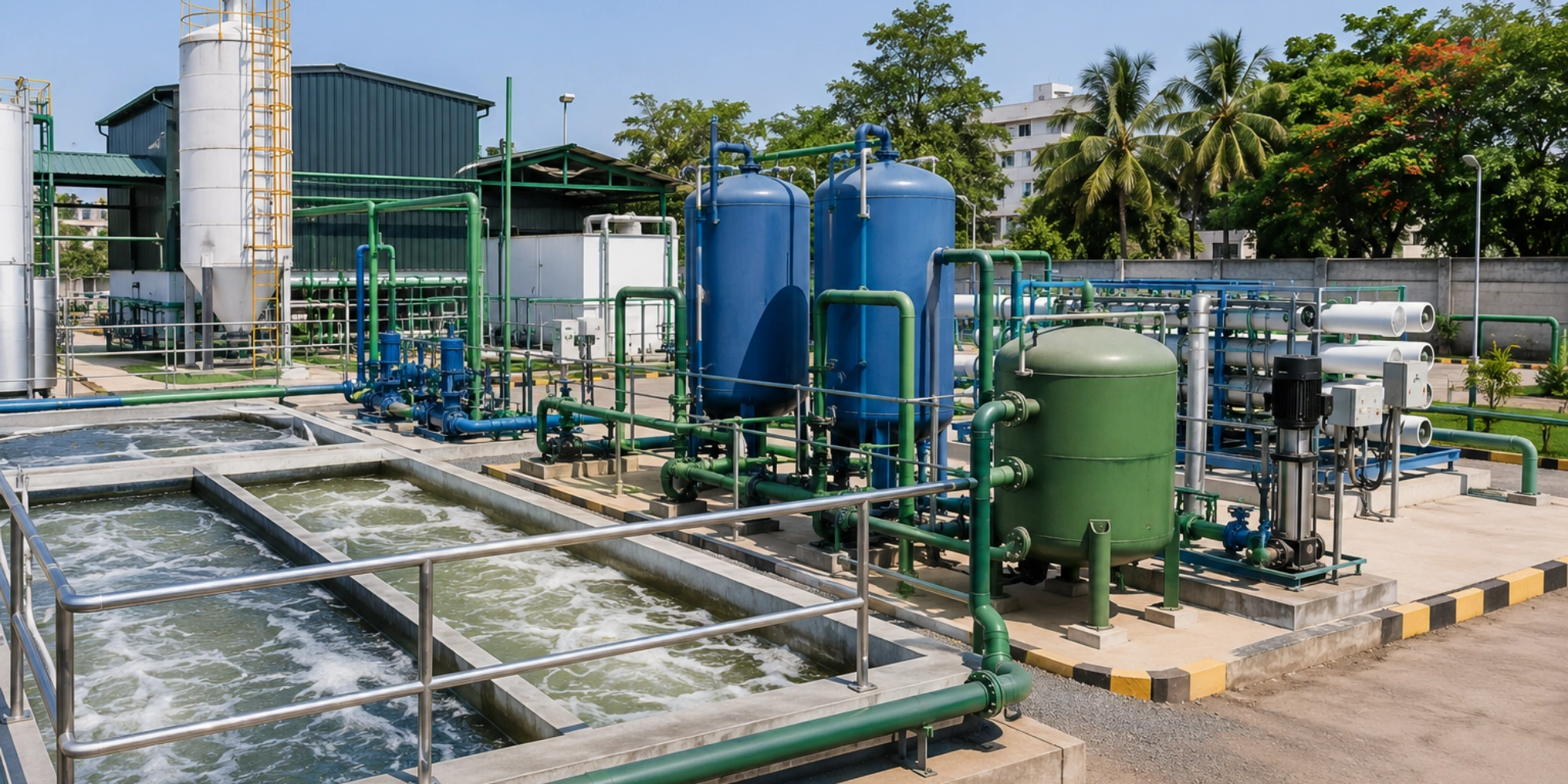
A Water Treatment Plant (WTP) is a system that treats raw water to remove contaminants and/or pollutants. These can be suspended particulate matter, dissolved water constituents (such as salt), microbial pathogens (bacteria and viruses), pathogenic water contaminants, toxic heavy metals, and/or water with offensive tastes and/or odors. Depending on the context, a water treatment plant can produce potable water, water for industrial processes, or water that is treated for irrigation, water for cooling towers, and water for construction and other commercial activities.
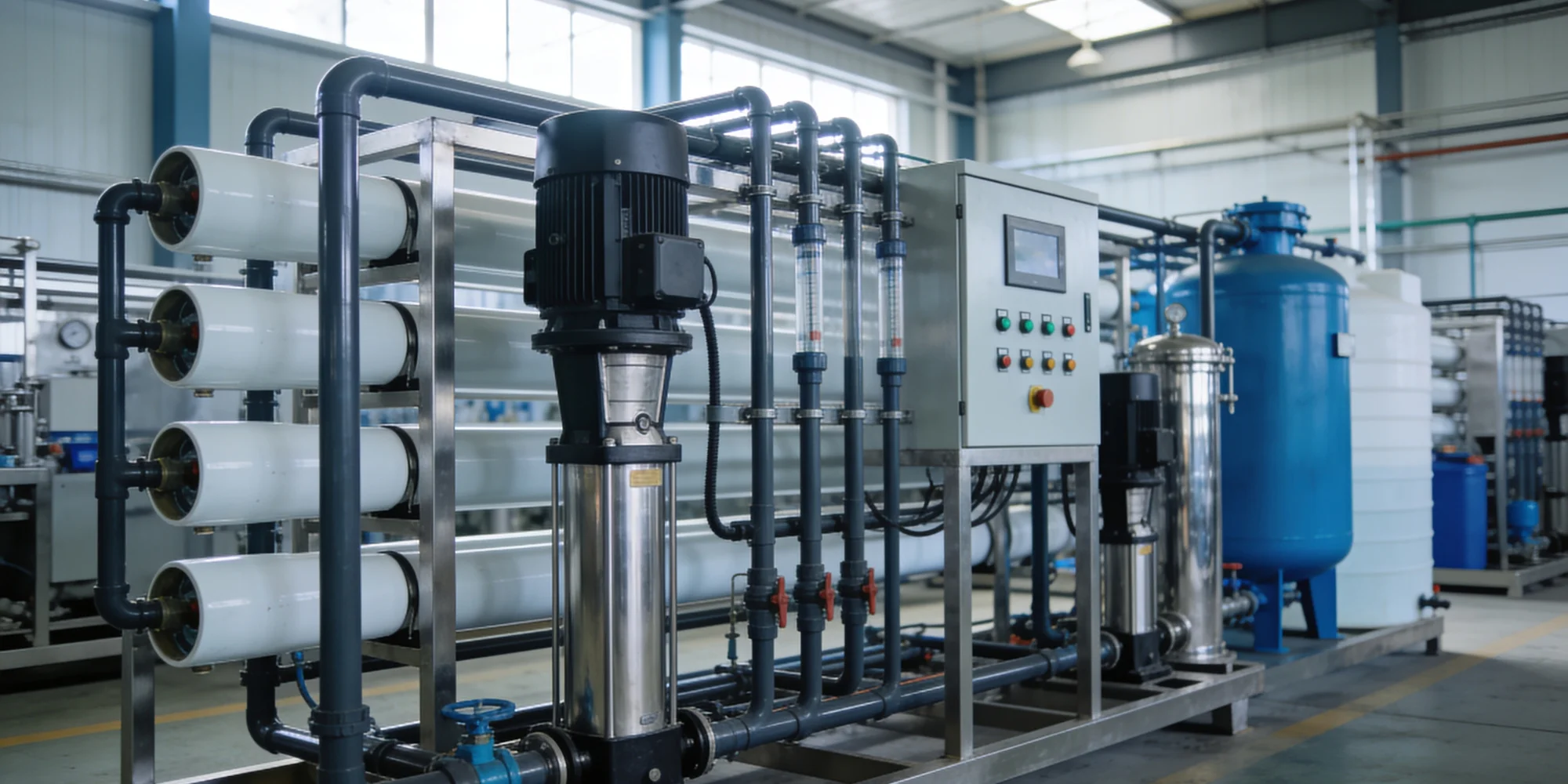
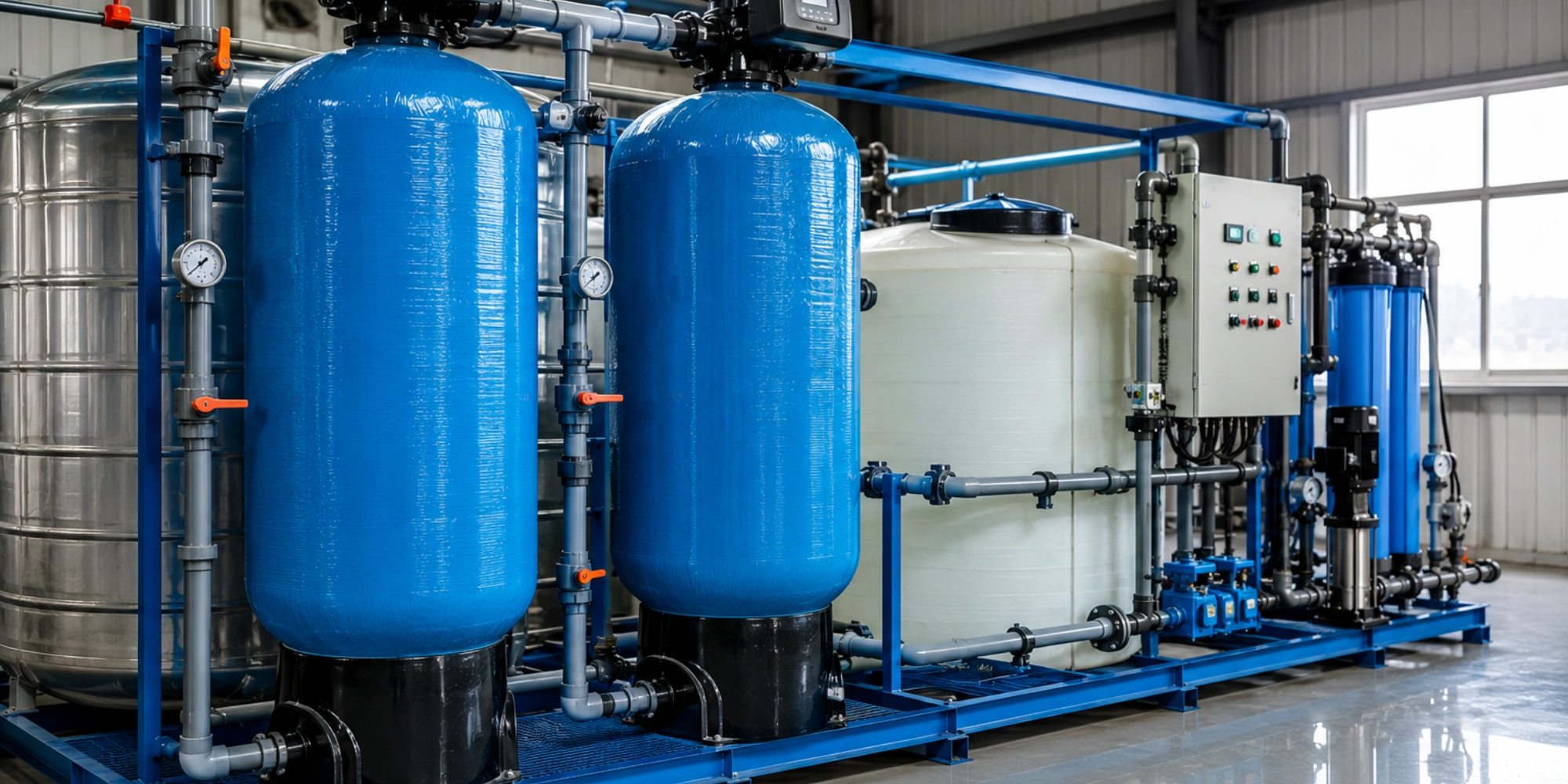
Modern water purification systems consist of a multi-stage process rather than a single type of filter. Pressure sand filtration, activated carbon filtration, water softening, micron filtration, reverse osmosis, UV sterilization, ozonation, and automated monitoring are common filtration methods. The configuration used is dependent both on the quality of the raw water and on the end use of the filtered water.
One of the greatest features of the current systems is flexibility/scalability. Smaller systems, for residential use, may treat a few hundred liters per hour. In contrast, larger scale systems, for industrial use, may treat thousands to millions of litters per day. Manufacturers in Hyderabad provide modular systems that can be expanded as demand for water.
Types of Affordable Water Treatment Plants
Various technologies are adopted for different treatment applications. Selecting a treatment system is dependent on water quality, daily water consumption, space, and budget.
Residential Water Treatment Plants
Residential systems can be used in single, row, or multifamily homes and water treatment systems in gated communities. These systems tend to focus on the removal of hardness, TDS, microbes, and taste. A water softener and RO purification is the most common selection to protect the plumbing and provide safe drinking water.
Commercial Water Treatment Plants
Commercial sites primarily consist of hotels, hospitals, schools, restaurants, and malls. These systems tend to focus on larger, continuous systems, level of automation, and increased filtration systems to reduce the cost of water treatment.
Custom Water Treatment Systems
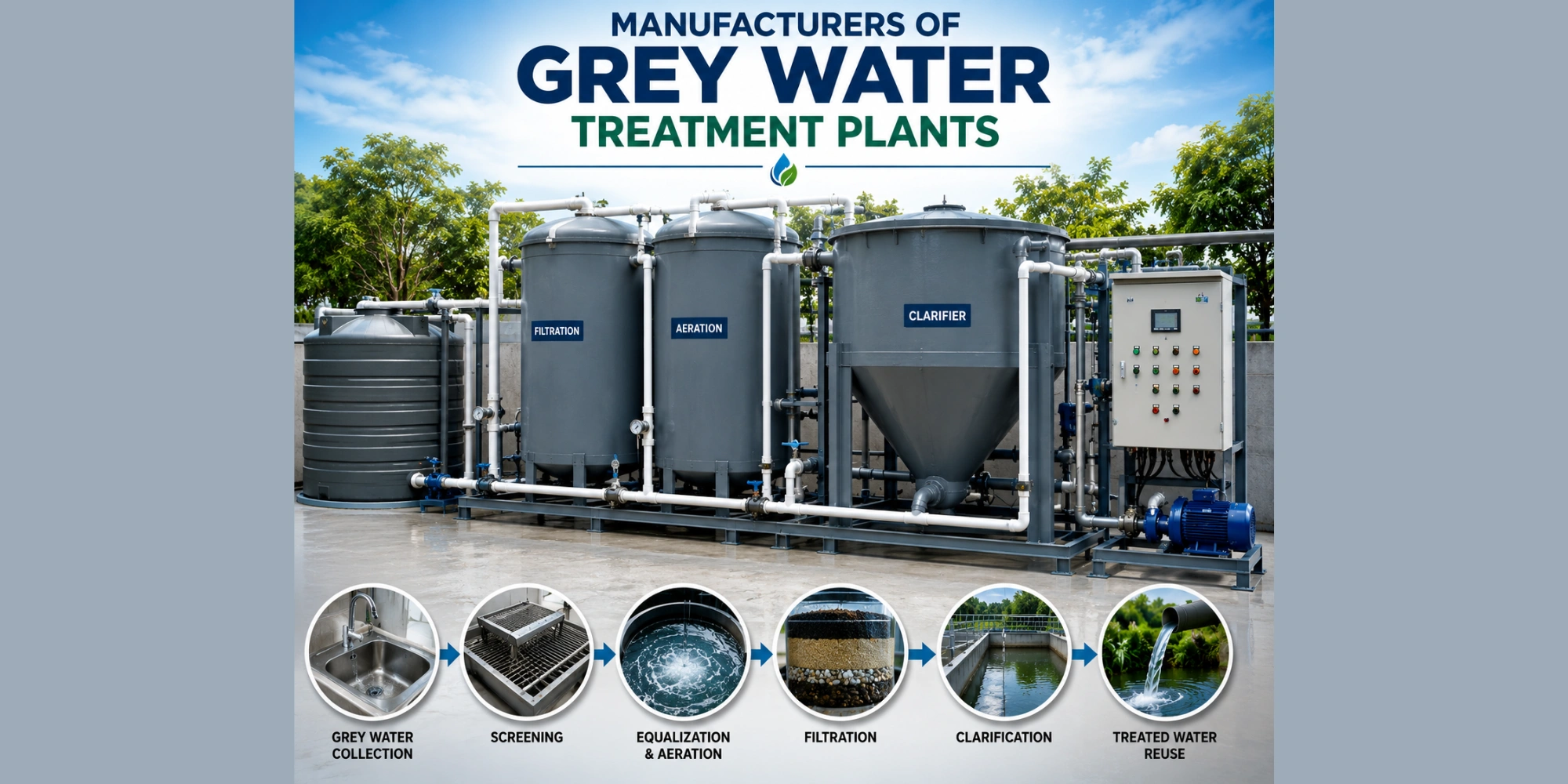
Every Industrial plant has its unique Water Treatment requirements as the Pharmaceutical, Food Processing, Textiles, Electronics, and Chemical industry have different water quality needs. To meet production and regulatory needs, systems such as RO, Ultrafiltration, De-mineralization, Effluent Treatment, and Wastewater Treatment and Recycling may be used.
Benefits of Installing an Inexpensive Water Treatment Plant
Building an inexpensive water treatment plant is not just about making water cleaner. It positively changes costs of operation, the lifespan of equipment, the sustainment of the environment, and the efficiency of the business.
Scaling within the infrastructure of tubes, boilers, cooling and heating towers and exchangers is minimized significantly with a well-designed water treatment plant. This saves on the cost of maintenance, repair, and energy because equipment functions better when the flow of water is unimpeded. Households can see the benefits in appliances, laundry, bathing, and soap. There is also an improvement in the flow.
The positive changes in business and the environment must also be considered. Modern systems capture some of the wastewater used and allow it to be reused as a form of water treatment and lessens the need to use fresh water. This aligns with the goals of sustainability for the city of Hyderabad. As the city grows and develops renewed goals for the treatment and reuse of water, so will the businesses that invest early in developing water recycling and treatment technologies.
Elements That Determine the Price of a Water Treatment Plant
If you are looking for a water treatment plant in Hyderabad that is inexpensive, the first thing most customers want to know is the price. However, several elements such as the technical and operational aspects of the water treatment technology can determine the offering price, given that two plants of the same capacity can be offered at very different price points. Knowing these elements will help you make a better comparison of the prices of offers, so that you do not select a system that looks inexpensive but is costly to operate.
Capacity Requirements
The biggest cost consideration is the quantity of water that the plant will need to treat per hour or per day. A small residential unit that treats 250-500 liters per hour will cost significantly less than a commercial or industrial unit that treats 5,000-10,000 liters per hour. Larger systems require larger pumps, pressure vessels, membranes, larger piping, and larger electrical systems.
The majority of the buyers that I have spoken to make the mistake of selecting a plant, in large part, on the basis of how much water they are currently using. A better option would be to try to figure out the demand that will be on the plant in the next five to ten years. This is likely to be a better estimate for apartment plants, as it is expected that the occupancy will increase. For industrial plants, it is likely that a small plant will quickly become inadequate with the expansion of the plant’s production. In many cases, it is actually a better deal to select a plant with higher capacity, than to change out the entire system.
Technology Used
The type of process that plan uses to treat water has a major impact on both the capital and the operating costs. A basic filtration system is much cheaper than a reverse osmosis plant with a high level of automation. Some of the systems that are currently in use are:
- Pressure Sand Filter (PSF)
- Automated Carbon Filters (ACF)
- Water Softener
- Reverse Osmosis (RO)
- UV/Ozone Systems
- Ultrafiltration (UF)
While a residential water softener is a simple and inexpensive system, and a commercial reverse osmosis system is a sophisticated and expensive system, if the raw water has a high TDS level, then a softener and sediment filtration system is not a sufficient solution. The right system is based on actual water analysis and not on arbitrary decisions.
Level of Automation
While manual systems have lower initial costs, they require constant operator intervention. Automated systems, including PLCs, automated control valves, digital displays, and remote notifications, have higher initial costs, but increase system reliability and reduce labour costs. Most businesses and industries justify the extra costs of automation through lower operating and maintenance costs and less system downtime.
Water Quality and Recovery Rate
Poor quality bore well water usually requires more processing steps after treatment. High concentrations of iron, fluoride, silica, or biological matter also add complexity to the system. Recovery Rate is also important. A system that recovers 70%-80% of the input water may have a higher initial treatment cost versus a system that recovers only 50%, but the higher recovery system will save a significant cost of purchased make-up water.
Price Estimates for 2026
Water treatment system price estimates for 2026 in Hyderabad. Pricing indicates the likely market range. Actual pricing and costs for installation, including taxes in Hyderabad, will vary depending on the system supplier.
| Plant Type | Capacity | Estimated Price |
|---|---|---|
| Residential Water Softener | 500–1000 LPH | ₹18,000 – ₹45,000 |
| Residential RO Plant | 250–500 LPH | ₹35,000 – ₹90,000 |
| Apartment WTP | 2000–5000 LPH | ₹1.5 – ₹4 lakh |
| Commercial RO Plant | 1000–5000 LPH | ₹2 – ₹8 lakh |
| Industrial RO Plant | 5000–10,000 LPH | ₹5 – ₹15 lakh |
| Customized Industrial WTP | Above 10,000 LPH | ₹15 lakh and above |
LPH = Litres Per Hour. Prices vary based on membrane brand, automation, civil work, installation, and after-sales support.
How to Choose the Right Water Treatment Supplier
There are a number of water treatment suppliers in Hyderabad, and simply comparing rates is not enough to decide which one to choose. An initial low cost supplier can become the most expensive supplier of all, with a system that is inefficient and requires frequent membrane replacements.
Good suppliers will start the process by performing a water quality test. Good companies will first look at the TDS, hardness, iron, fluoride, pH, and bacteria, and then decide which equipment to offer. This prevents the problem of undersizing or oversizing the plant
When getting offers, always ask for:
- Warranty on Pumps and Membranes
- Spare Parts Available in Hyderabad
- AMC Cost
- Service Call Response Time
- System Efficiency
- Water Recovery Rate
- Previous Similar Applications
A good supplier will also offer a detailed proposal. This is a proposal that shows the quality of the raw water, the quality of the water that they will produce, the recovery rate, and the costs and effort of operating and maintaining the system. These details and a fair price will offer a better value than a low, no detail price.
Installation and Maintenance
Even with a quality system, if the system is installed poorly, the system will not perform well. A good system will be installed in a location with good ventilation and drainage, with good electrical protection and good access for maintenance. Good systems will also be designed to avoid issues of pressure damage when installed per the supplier’s guidance.
Regular upkeep is necessary to prevent issues in system performance. Sediment filters need replacement after a time, carbon media needs upkeep, and RO membranes can be cleaned or replaced depending on the water quality or usage. Neglecting system upkeep can cause increase in energy demands, decrease recovery rate, and negatively impact quality of treated water.
Having a logbook of inlet TDS, outlet TDS, pressure measurements, and dates of system maintenance can help address concerns before they cause total system failures in apartment and commercial complexes.
Water Treatment in Hyderabad
Water management in Hyderabad is on the path to sustainability. Networks for reuse of treated wastewater are being established, and industries are being encouraged to use recycled wastewater for non-potable uses. This is expected to cause a greater need for higher levels of filtration and water reuse practices, as well as technologies incorporating zero-liquid-discharge.
An additional focus is on automated systems. Current systems have the ability to provide fleet management and remote monitoring, automated dosing of chemicals, and a step toward automation, predictive maintenance. Many mid-sized commercial complexes and apartment buildings are starting to utilize these systems.
In the present day, modular and adaptable systems are the best choice for buyers. Future laws and greater emphasis on water conservation will most likely benefit facilities that are able to accomplish greater water reuse and recycling.
Final Words
Water Treatment Facilities in Hyderabad are a recent development to bring an affordable water plant to homes, apartments, businesses, and industries. The continual rise in the cost of water, hard water, and the increasing reliance on water from commercial tankers make these systems a necessity.
Finding a cheap plant isn’t the point. Getting the best value is about getting a system that deals with your water quality, your daily demand, and your expected expansions. A plant that has been designed and built well and is maintained well, will benefit the users by reducing the costs of operating the plant, improving the quality of the water, and increasing the sustainability of the water over many years, all while improving the life cycle of the equipment.
From a small residential softener and large commercial RO plants, to industrial treatment systems, Hyderabad's developing water treatment market has them all. A good way to ensure clean water and a good savings on your investment is to perform a water analysis, and choose a good supplier.