Common Issues with Industrial RO Plants and Troubleshooting
Reverse Osmosis (RO) plants are widely used in manufacturing and other industries to treat water. A RO plant uses membranes to filter water by allowing the solvent (water) to pass while retaining the solutes (salts and other dissolved substances). Maintaining a high performing RO plant is difficult. Many factors including, but not limited to, the feed water, the membranes, filtration, and the chemicals used, must be perfectly balanced. The DuPont Report states the most common problems with RO plants are reduction in the flow of permeate, increased pressure difference across the membrane, and loss of salt rejection.
Manufacturers of RO plants record and track performance data to identify problems before they become disastrous. Permeate flow, pressure, the salinity of the water product, and membrane integrity, are just a few factors that impact an RO plant’s performance. Troubleshooting should be based on performance data and not experience. Assumptions can lead to erroneous conclusions.
Functioning of an Industrial RO Plant
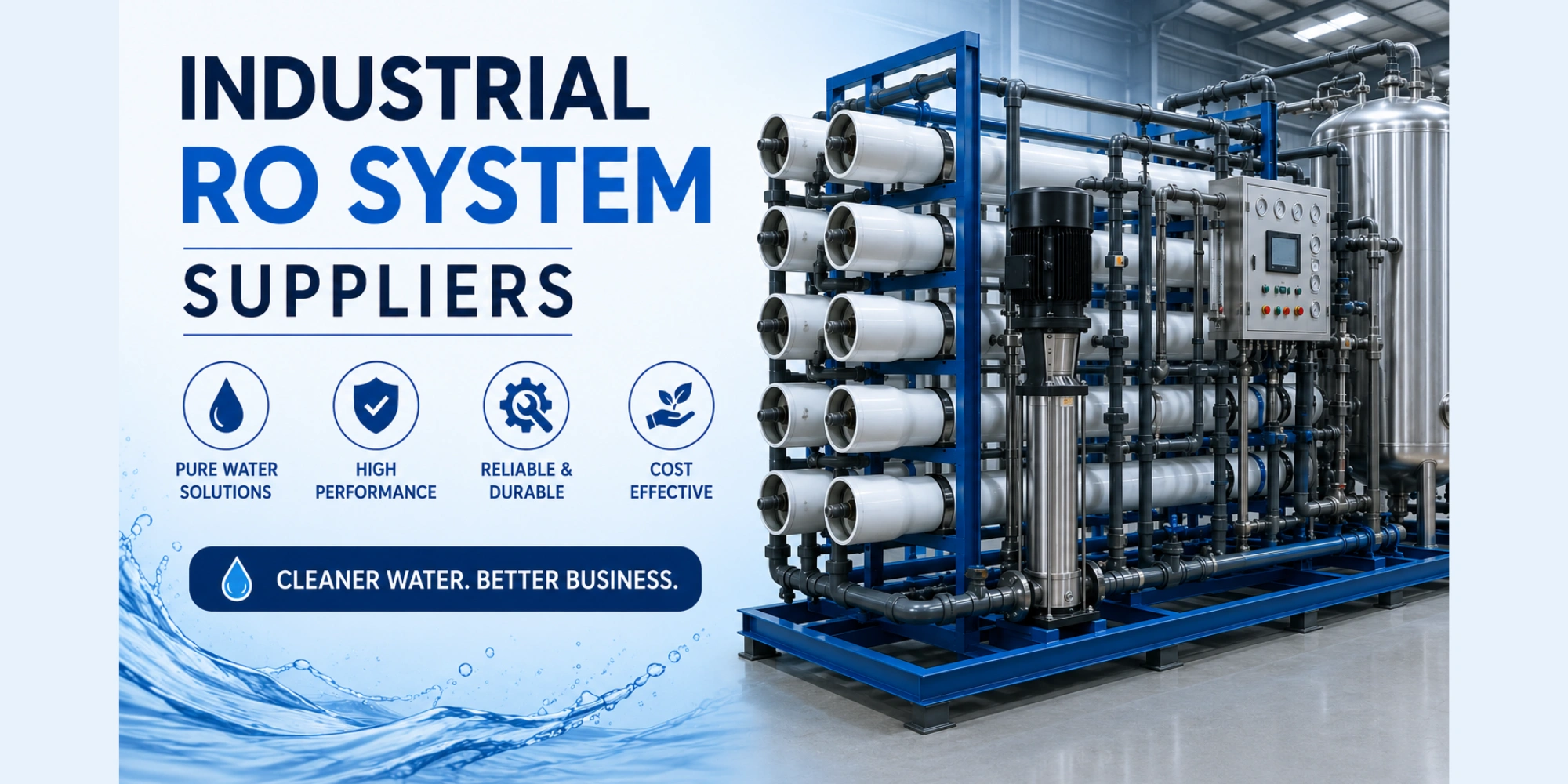
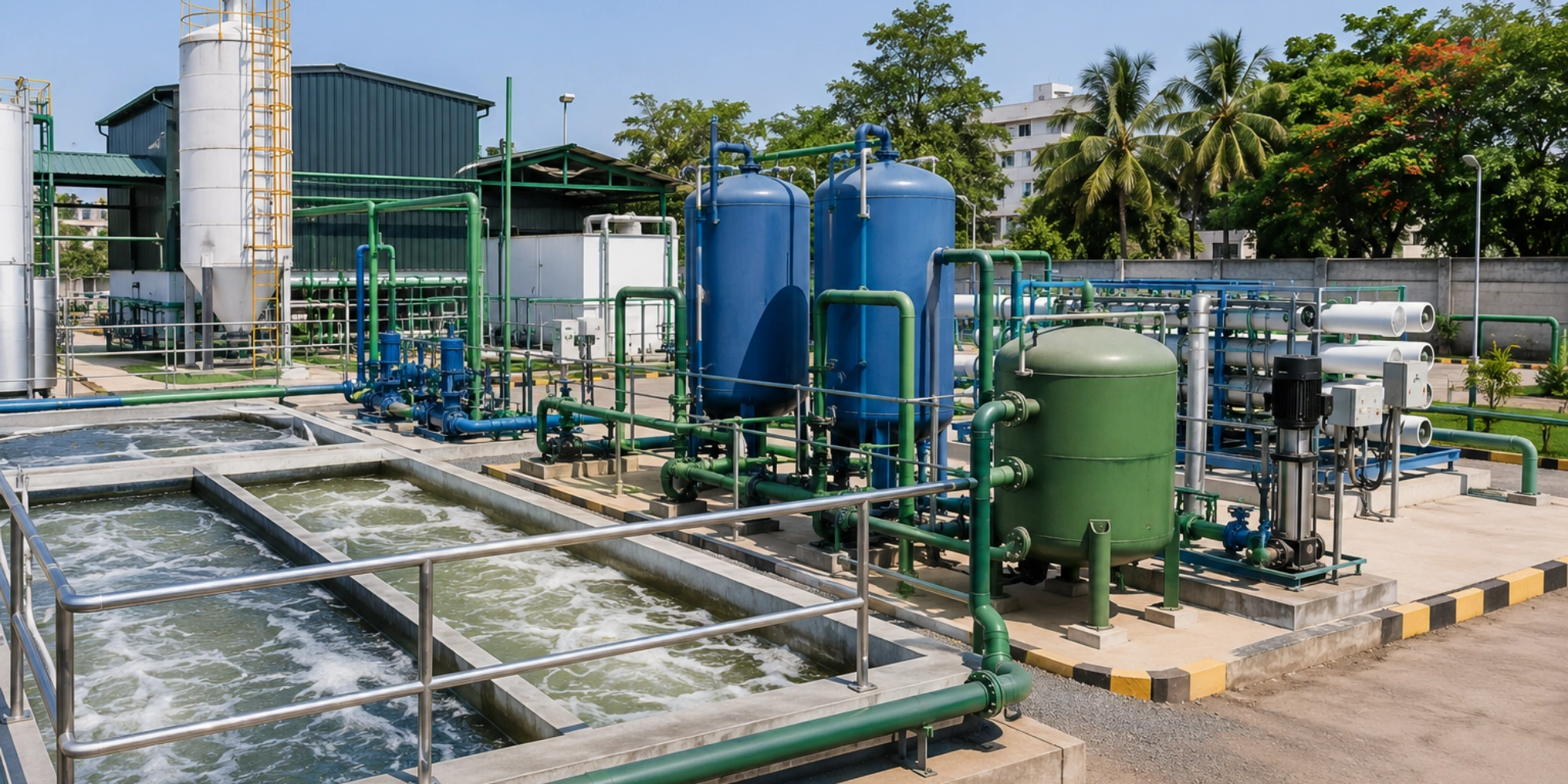
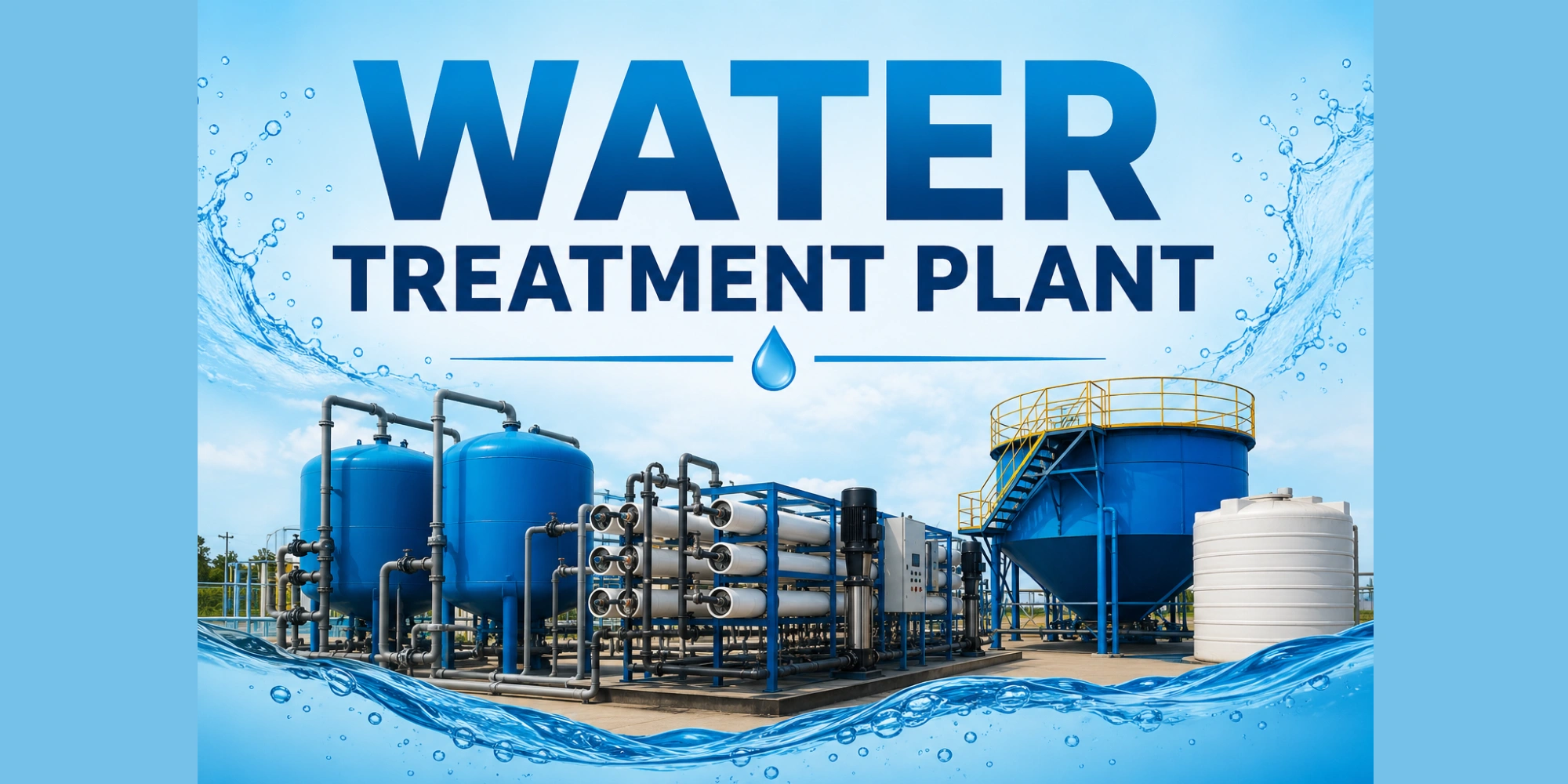
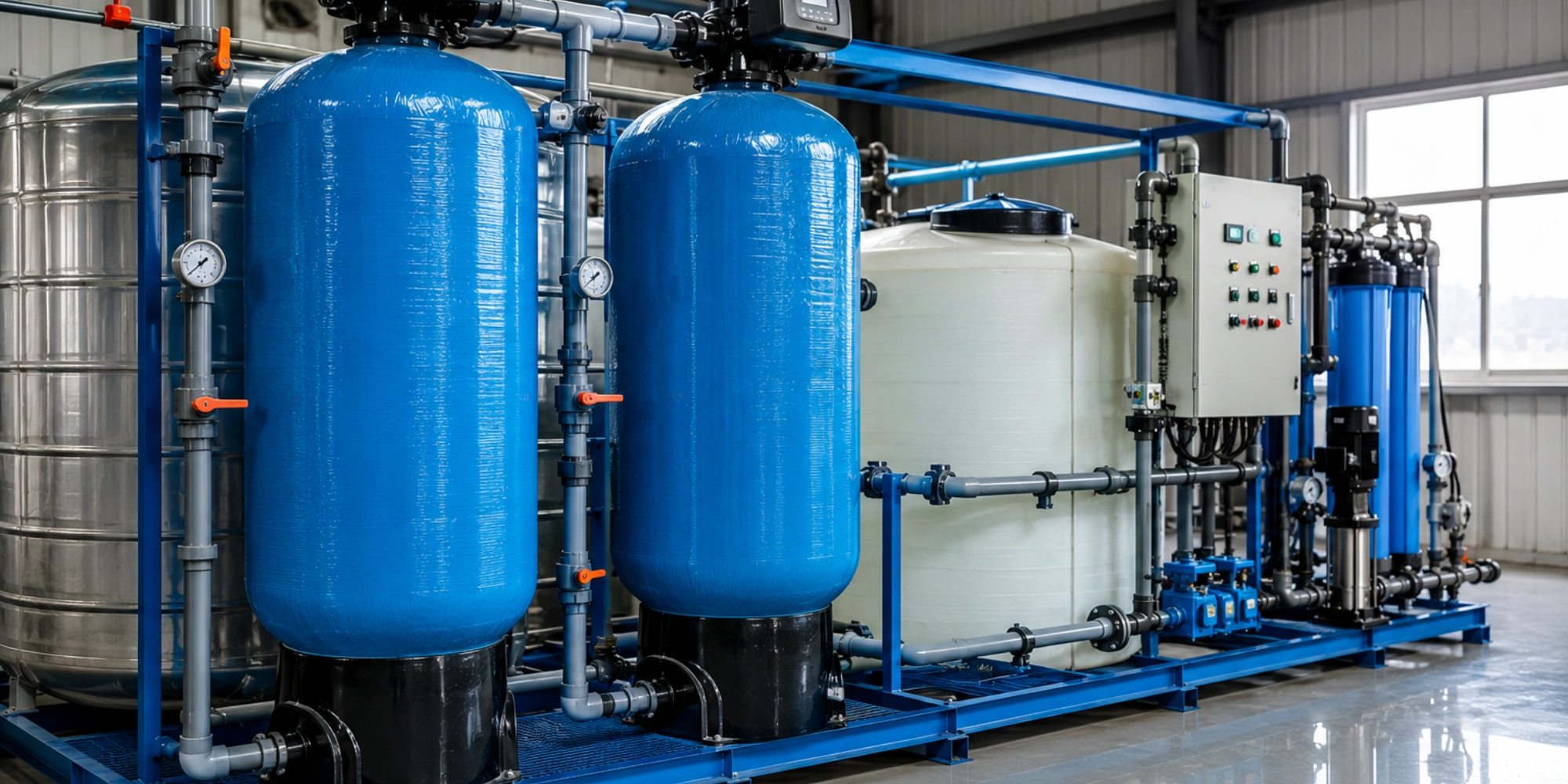
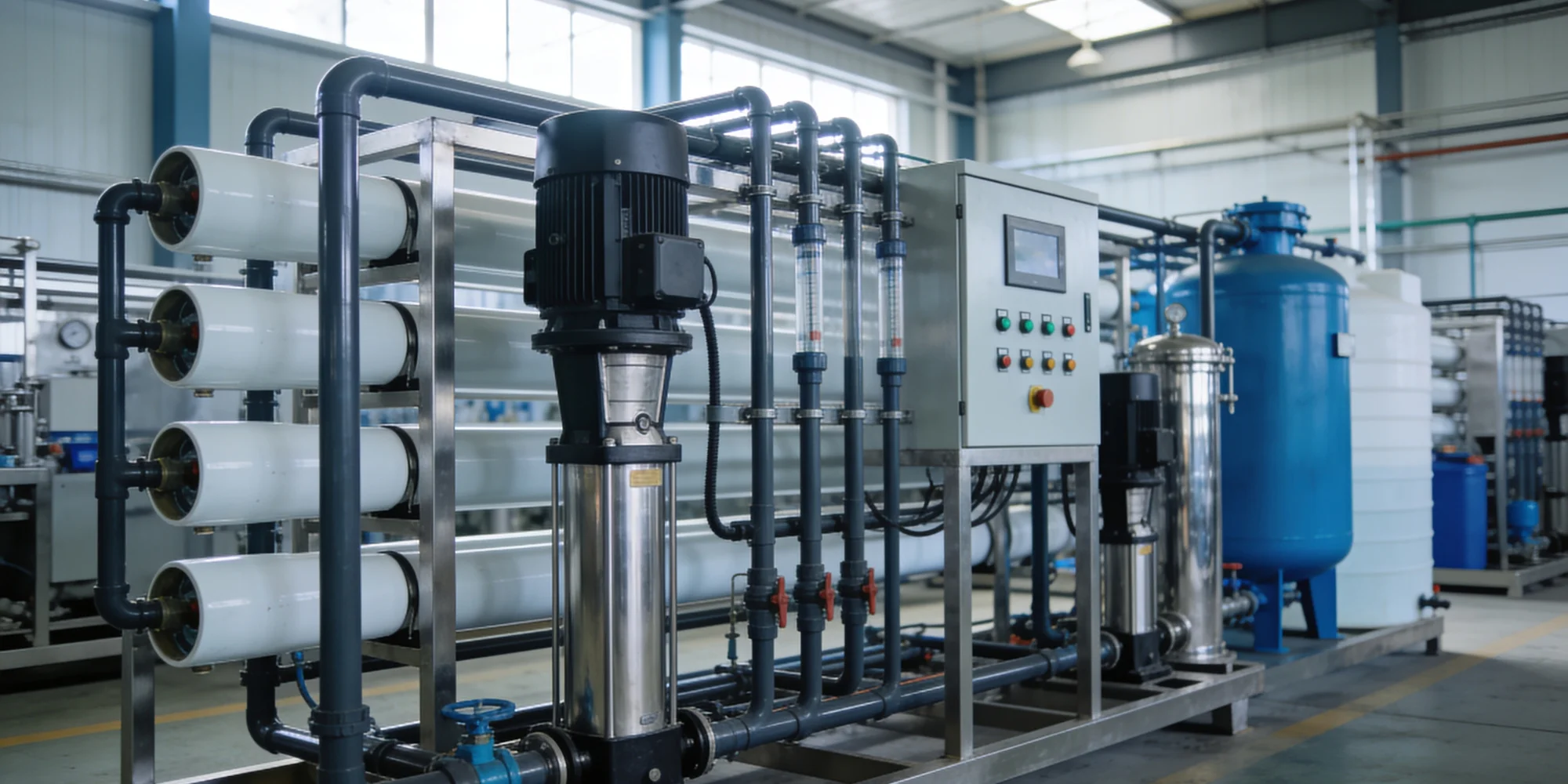
An industrial RO plant contains a membrane module between various units. The type and number of units in the plant depend on the impurity level of the feed water. Some of the treatment units are media, carbon and cartridge filters.
The feed water is pumped at high pressure to the RO membranes by a high-pressure pump. The permeate (treated) water and the feed water (concentrate) come out at the two different sides of the RO membranes. A RO plant is generally equipped with pumps, controls, and a panel to indicate the status of the controls.
Reasons For A Change In Performance
It is normal for the performance of a RO plant to change with respect to time. The feed water changes with respect to the season, and the concentration of solids and temperature of the feed water also changes. These changes result in a change in the performance of a RO plant.
Fouling, scaling and deterioration of the membranes are common in a RO plant. Changes in the performance of a RO plant should be evaluated through the changes in various process parameters like concentration and temperature of the feed and permeate, pressure across the membranes, pH of the feed and permeate, flow of permeate, recovery, and dose of the anti-scalants.
Normalizing the values of the parameters should help in interpretating the performance of the RO plant.
1. Low Permeate Flow
Industrial reverse osmosis (RO) plants are designed to produce large volumes of treated water. A gradual decline in treated water production to subnormal levels is referred to as low permeate flow.
This phenomenon can be mistakenly corrected by simply increasing pump pressure. Raising pump pressure can create additional stress on the RO membranes and elements.
Low permeate flow can be caused by:
- Membrane fouling
- Scaling
- Inadequate feed-water temperatures
- Lack of feed-water pressure
- Clogged cartridge filters
- Improper recovery settings
- Other operational conditions
DuPont mentions that low permeate flow is associated with membrane scaling and foulants, such as colloidal fouling.
Other Factors Affecting RO Production
Is the actual reduction in RO production? A decline in feed water quality does not always correlate to a proportional decline in the treated water quality.
The following parameters should be evaluated against historical or design limits:
- Feed-water pressure
- Feed-water temperature
- Permeate flow
- Concentrate flow
- Differential pressure
- System recovery
Foulants and/or scales are the likely causes of differences between historical/design and current system performance. However, if differential pressure remains stable, other factors such as system membrane compaction or deterioration should be considered.
Membrane fouling and scaling reduces the system performance to subnormal levels and should be addressed by chemical cleaning. However, the prevention of membrane fouling should be ensured through proper operation and evaluation of the upstream feed water treatment.
2. High Permeate TDS or Poor Salt Rejection
An RO membrane is intended to pass purified water by dialyses and retains salts and dissolved organics in the feed water. Salt rejection by an RO membrane is 95% or greater.
If permeate TDS is greater than expected, then salt rejection is poor and the RO membrane is considered to be damaged.
Membrane damage can occur due to:
- Aging
- Exposure to chemicals
- Stress
- Improper operation of the membrane element
- Mechanical leak in the membrane element
- Leak in a seal
It should be noted that increasing the operating pressure of the RO element or performing more chemical cleanings of the element is not the only solutions to address the problem.
Measurement of the TDS of the feed water and the permeate and concentrate waters should be performed to determine where the salts are located.
It should be determined if the problem is uniform throughout the RO element or if it is isolated to a particular element.
A membrane element is designed to have a service life, and if a element or a seal fails, it should be considered a membrane element failure and should be replaced.
3. Membrane Fouling
Fouling describes the accumulation of a variety of substances such as organics, inorganics, biologics, and colloids on and in the membrane and the feed channel.
It creates a resistive layer to the passage of fluid through the membrane. As this resistive layer grows, the pressure required to force the feed through the membrane increases, while the rate of permeate production and the flux decrease.
DuPont indicates that increased fouling causes an energy penalty due to a rise in the pressure required and increases the frequency of cleaning.
How to Control Fouling
Fouling is less of a problem if its cause is identified and corrected.
The following questions should be considered:
- Are the filters functioning properly?
- Are cartridge filters in the wrong orientation?
- Is the dosing of the chemicals consistent?
- Does the raw water require a different type of treatment?
- Is the treatment not adequate?
- Is the treatment over-adequate?
Answering these types of questions may help to identify the reason for fouling.
It is important to note, however, that if fouling is unavoidable, cleaning should be done in accordance with the manufacturer’s recommendations and with the foulant in mind.
Pretreatment and membrane cleaning should be done in a timely manner in order to ensure the longevity and function of the membranes.
4. Scaling on RO Membranes
Scaling occurs when particulates and/or dissolved solids become incorporated in the membrane or flow channel. The principals are similar to fouling.
Scale formation can occur with feedwater that is supersaturated with respect to one or more compounds.
Among the more common scalars are:
- Calcium carbonate
- Calcium sulfate
- Silica
- Other mineral compounds
Scale formation decreases the rate of permeate flow and increases the transmembrane pressure across the membrane. It may be difficult to remove scale once it has been formed.
Reducing scaling requires determining the root cause and addressing it. Excessive recovery may precipitate scale, and scaling is more likely if antiscaling programs are not properly designed and/or if the program does not address the chemistry of the feed water.
Scale may also be formed in the concentration section of the membrane system.
DuPont states that scale formation may be caused by inadequate control of process operating constraints and if the constraints are not properly controlled, pressure differentials across the membranes may increase.
5. High Differential Pressure
High differential pressure occurs when the pressure difference between the feed and concentrate sides increases beyond acceptable limits.
An increase in differential pressure indicates that the water is having more difficulty passing through the membranes.
Possible causes of increased differential pressure include:
- Scale
- Fouling
- Pretreatment media breakthrough
- Failures of cartridge filters
- Debris from pumps
- Damaged or worn seals
DuPont states that in addition to monitoring the overall feed side to concentrate side pressure difference, differential pressures across individual modules or elements should be monitored.
This is because differential pressure increases may occur on just a few elements or modules.
Diagnosing Pressure-Drop Problems
Do not immediately assume that the membranes have been fouled. Other elements, such as cartridge filters, may also be fouled or plugged.
Other components to check may include:
- Upstream filters
- Pumps and housings
- Differential pressure gauges
- Flow meters
Pressure drop across elements may also be caused by physical plugging of pretreatment components. Increased pressure drop across the tail elements may be caused by scale formation.
Fouling or scaling may also occur across the entire membrane module. Changes in differential pressure may also be caused by breaks in treatment or operational upsets.
6. Rapid Clogging of Cartridge Filters
Reverse Osmosis (RO) membrane elements are susceptible to clogging. To protect the RO elements, cartridge filters are placed upstream of the elements.
Clogging of cartridge filters can be rapid, and in some cases, operators replace cartridge filters repeatedly without determining the reason for increased particle loading. This creates a service cost burden.
Possible causes include:
- Poor water clarification
- Deterioration of equipment
- Rapid media exhaustion
- Inadequate raw water treatment
- Significant change in the quality of the raw water
To help identify causes of rapid cartridge clogging, review the condition of the spent filter elements, and measure the pressure drop of the elements prior to replacement.
DuPont suggests that if breakthrough occurs in an upstream filter element, raw-water constituents can reach the RO elements.
Aerobic and/or anaerobic bacteria or other micro-organisms can adversely affect the RO element and system performance. Biofouling can be very difficult to eliminate.
A good design practice is to provide adequate water treatment to control micro-organisms and to ensure that raw water is not delivered to the RO elements without prior treatment.
7. Biofouling and Growth of Micro-organisms
Biofouling represents an increasing challenge in RO processes due to the inability of the water treatment processes to completely remove all micro-organisms from the feedwater.
Biofilms cause resistance to water flow and increased differential pressure. Complete removal of biofilms is very difficult.
Biofouling is often caused by poor treatment of the raw water and/or poor design of the water treatment processes.
Adequate treatment to remove suspended solids and micro-organisms, and an efficient final rinse prior to RO treatment can help minimize biofouling.
If biofouling is severe, DuPont suggests complete system disinfection.
Control of biofouling requires a combination of approaches. Water quality and upstream conditions must be evaluated. Conditions conducive to organism growth on and in the system must be avoided.
Membrane manufacturers have recommended cleaning procedures and sanitization programs which, if followed, would alleviate biofouling.
Not all disinfectants are compatible with all reverse osmosis (RO) membranes. Thus, the selection of a disinfectant is critical.
It is important to remove organisms from membranes. However, the more important issue is controlling the organism loading to the RO system.
The RO high-pressure pump is the source of process energy and the RO membrane is the barrier for separation. If the high-pressure pump cannot develop the required head, performance of the RO system will be compromised.
Decreased pump capacity can be caused by:
- Cavitation
- Mechanical failure
- Other pump-related problems
Membrane fouling is one of the many possible explanations for loss of RO system performance; however, in the presence of an inadequate pump capacity, the RO membranes may appear fouled.
Pump performance must be evaluated in a separate diagnostic program from that of the RO membranes.
9. Incorrect pH and Chemical Dosing
pH is critical in the operation of reverse osmosis (RO) systems. Along with affecting the stability of the membrane, pH impacts scaling potential and the efficacy of chemical treatment and antiscaling dosing.
Improper dosing of antiscalants can facilitate scaling. Chemical over-treatment can create fouling and/or membrane damage.
Truly evaluating the potential risks associated with scaling and selecting an effective chemical program require a thorough understanding of:
- Feed water
- Membrane
- Operating conditions
- System recovery
System operators need to evaluate the integrity of dosing pumps and the levels of the chemicals in the system.
Membrane system elements can be compromised by undue stress if the concentration of water discharge is higher than that of the feed water.
Unusual shifts in chemical dosing requirements warrant an evaluation of the system.
Water analysis of the feed and/or discharge streams of the RO system can help operators determine if the treatment program is effective.
10. Water Hammer During Startup
If air is trapped in an RO membrane pressure vessel (MPV) and the system is rapidly initiated, water hammer can occur.
DuPont states that equipment in an RO system can be damaged if air is not removed from the system and water is allow to build pressure quickly.
If the system is fully drained and equipped with a an air release valve, water hammer should not occur.
The main problem is lack of training for operators on correct system startup and shutdown procedures.
Operators should:
- Slowly increase system pressure.
- Displace air from the system.
- Open and close various system valves according to the operating procedure.
- Control shutdown conditions to avoid unwanted entry of air into the system.
A properly controlled startup usually does not take any additional time, but can prevent more expensive problems.
11. Permeate Leakage and O-Ring Problems
Problems with the quality of the permeate from an RO system can sometimes be caused by problems other than problems with RO membranes.
Mechanical seals and other system components can also be a source of bypass. A bypass caused by an improperly installed mechanical seal can give the same symptoms as RO membrane failure.
A sudden increase in TDS of the permeate can be caused by a number of problems, and membrane failure should not be assumed to be the only cause.
Inspect other components of the system to determine the cause. Increased salt passage can also be caused by damage to the membranes during element loading and other problems.
Following membrane loading and proper inspections can eliminate system failures.
Preventive Maintenance for Industrial RO Plants
Any maintenance program can be preventative, or reactive. Most maintenance programs are reactive, meaning failures dictate when work is performed.
Preventative maintenance allows a user to control when work is performed and is therefore more effective in managing plant performance.
There are a number of recommended inspections and/or preventative maintenance tasks that should be performed on various components of the RO system.
Routine operation and inspection of the RO system should allow the user to identify adverse conditions and/or operating trends prior to failure.
This may be achieved by systematic and disciplined recording of operating data.
DuPont has also indicated the benefit of preventative maintenance in that if adverse conditions on components are identified prior to failure, unexpected plant shutdowns may be avoided.
A Practical Guide to Troubleshooting RO Plant Issues
It is important to document abnormal operating conditions of an RO plant, and not make numerous adjustments to RO parameters.
If an RO plant is behaving abnormally, first make a note of the observed conditions, and check operating conditions against a normal operating baseline.
Typically, many factors impact RO performance. These may include:
- Feed pressure
- Permeate pressure
- Permeate flow
- Permeate TDS
- Differential pressure
- Temperature
- pH
- Recovery
- Conductivity
The examination of RO membrane elements may be required. Cleaning or replacing the elements may be warranted.
Sometimes it can be helpful to approach a diagnostic situation in the following manner:
- Review the Observation - Review the observation with respect to normal operating conditions. A reading may be outside the normal range.
- Review Performance Data - Review performance data, and consider if the data correlates with previous observations.
- Check Pretreatment Conditions - Consider if recently observed conditions may be caused by abnormal pretreatment conditions.
- Check Hydraulics - Look for issues like pump pressure, flow, and valve issues, and check for cavitation.
- Assess Membrane Condition - Check for fouling and scaling. Also look for oxidation and compaction. Check for mechanical leaks.
- Clean Membrane - Only perform this function if appropriate. Choose the appropriate cleaning method for the foulant. Follow the directions provided by membrane manufacturer.
- Correct the Problem - Address the condition to prevent it from reoccurring.
- Document the Changes - Document the changes and the condition of the RO membrane.
| Diagnostic Check | What to Review |
|---|---|
| Operating Conditions | Compare current readings with normal operating conditions. |
| Performance Data | Compare current data with historical observations. |
| Pretreatment | Check whether abnormal pretreatment conditions are affecting RO performance. |
| Hydraulics | Check pump pressure, flow, valves and cavitation. |
| Membrane Condition | Inspect for fouling, scaling, oxidation, compaction and mechanical leaks. |
| Membrane Cleaning | Use the correct cleaning method according to the foulant and manufacturer's instructions. |
| Corrective Action | Address the root condition to prevent recurrence. |
| Documentation | Record the changes and condition of the RO membrane. |
Understand the nature of the problem. Often times, a single symptom can be caused by several different problems.
For example:
- Low permeate flow can be caused by fouling, scaling, or mechanical issues.
- High permeate TDS can be caused by a damaged membrane.
Often times, tests need to be run and the performance of the system assessed to determine the cause of the problem.
Membrane testing can help determine the cause of the problem. Although, sometimes operating the system can help determine the problem.
There are several sources of information that help with determining the cause of a problem including system performance, tests, membrane analysis, and DuPont’s troubleshooting guide.
Conclusion
Industrial RO systems are large-scale water treatment systems, made up of many components in addition to RO membranes.
Some of these components are:
- Feedwater pH and TDS
- System pressure
- Recovery rate
- Pumps
- Filters
- Instrumentation
- Automation
We focus on stabilizing these aspects of the system so that treated water is produced with high yield and with low TDS.
The problems mentioned above, with some exceptions, are preceded by warning signs. It is imperative that the RO system be monitored to detect such signs.
When the performance of the RO system declines, the best approach is to analyze the possible causes for the decline, and take steps to alleviate the cause, as opposed to replacing system components.
System components, particularly the membranes, should be replaced only after determining the root cause for system failure.
In a similar vein, processes should be instituted for normalizing and regularly monitoring system performance, to alleviate system failures and increase system availability.
If system failures occur, the causes should be diagnosed in order to institute corrective actions.