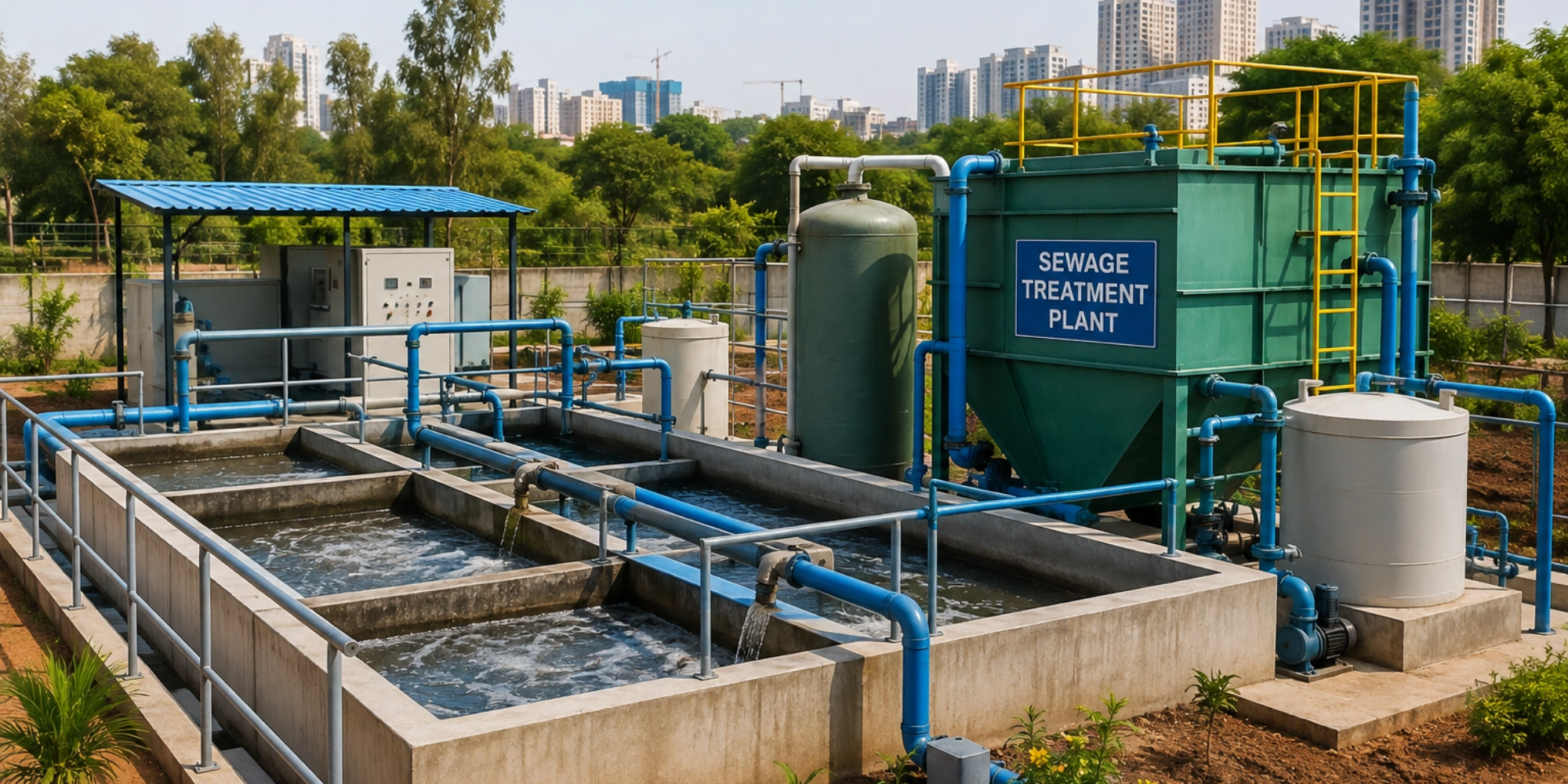
Installation of Sewage Treatment Plant in Hyderabad: The Ultimate 2026 Guide for Sewage Treatment Plant in Commercial, Residential & Industrial Projects
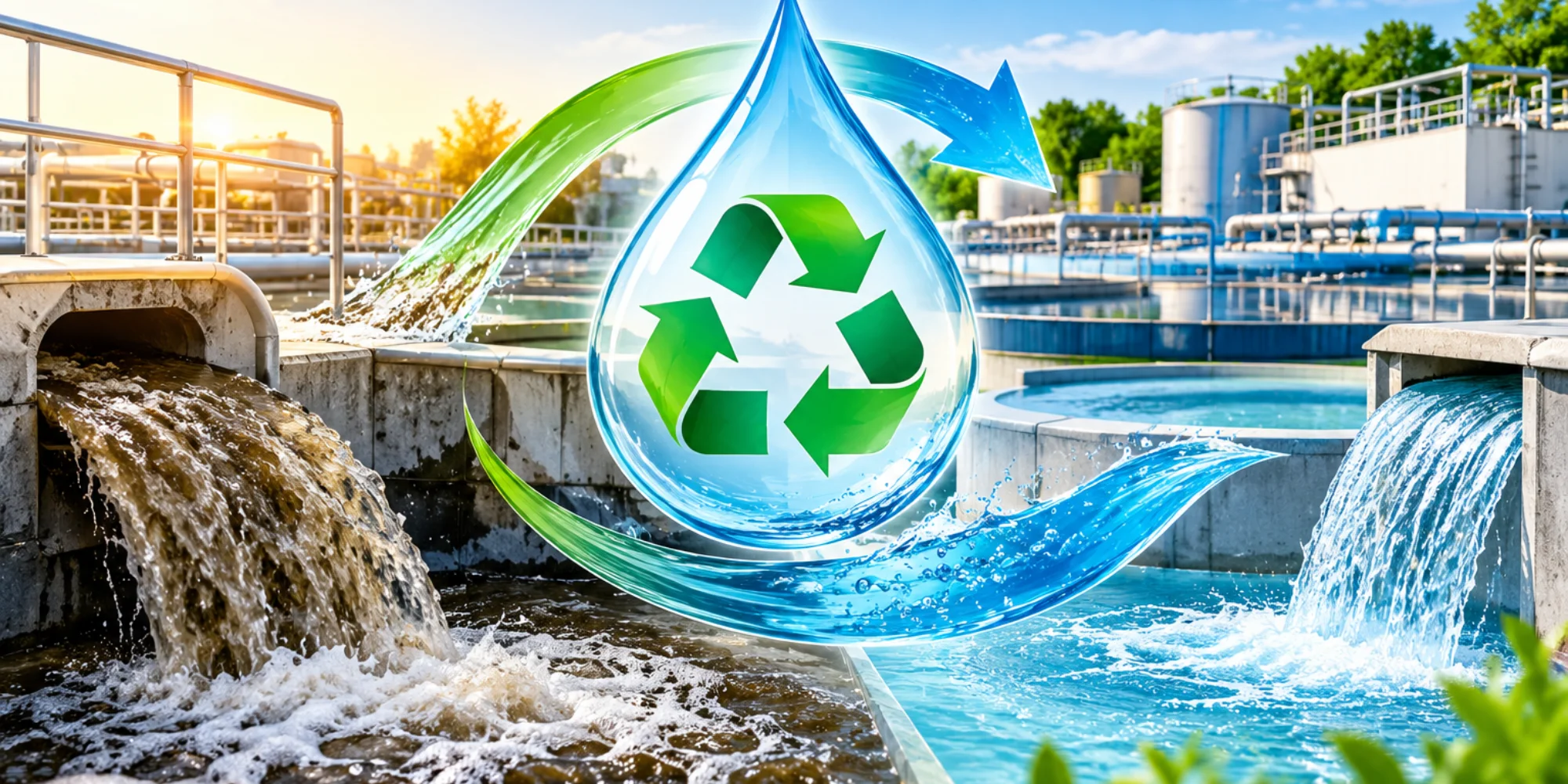
As the city of Hyderabad grows in new residential divisions, commercial multiplexes, IT Parks, hospitals, hotels, and industries, the need for new systems for wastewater management continues to grow. Investing in Sewage Treatment Plant Installation in Hyderabad helps with the environmental cause and water conservation, and encourages the growth of sustainable cities. The new generation of STPs transform wastewater, making it possible to reuse for landscaping, for the flushing of toilets, cooling towers, etc., thereby reducing the usage of freshwater. Creating new buildings and modernizing existing ones involves the selection of appropriate sewage treatment methodologies and the selection of the right sewage treatment plant installation company for best results in compliance, regulations, and costs. This all-inclusive guide for 2026 will cover all treatment methodologies, benefits, costs, STP installation, government regulations, and selection of STPs for commercial, residential, and industrial projects in Hyderabad.
What is an STP?
A Sewage Treatment Plant is a system for the treatment of wastewater which separates and transforms the pollutants in the domestic and industrial sewage for safe discharge or reuse. With the speed of growth of a city like Hyderabad, today, sewage treatment is beyond a civic and environmental responsibility, it is an operational necessity for residential apartments, commercial complexes, hospitals, schools, hotels, manufacturing, and IT facilities.
An STP integrates multiple treatment processes that, together, render wastewater reusable for certain activities that do not require potable water, such as irrigation and flushing.
As Hyderabad’s population and infrastructure grew, so did the city’s wastewater. Telangana government documents state that approximately 2,750 MLD of wastewater is generated in the state. Treatment capacity has failed to meet the demand, creating a treatment gap. This gap has resulted in a rapid increase in investment in decentralized sewage treatment solutions in private developments.
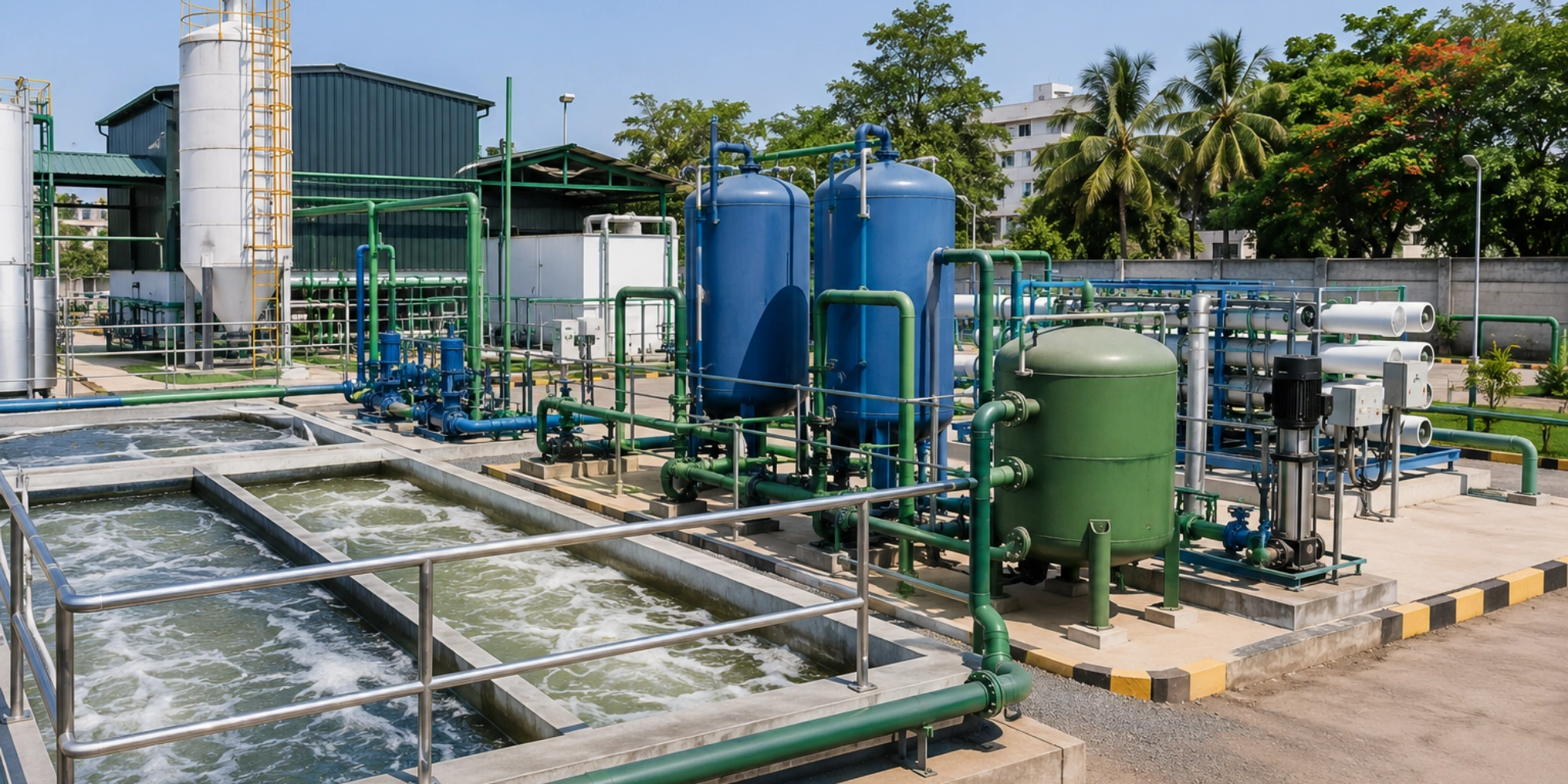
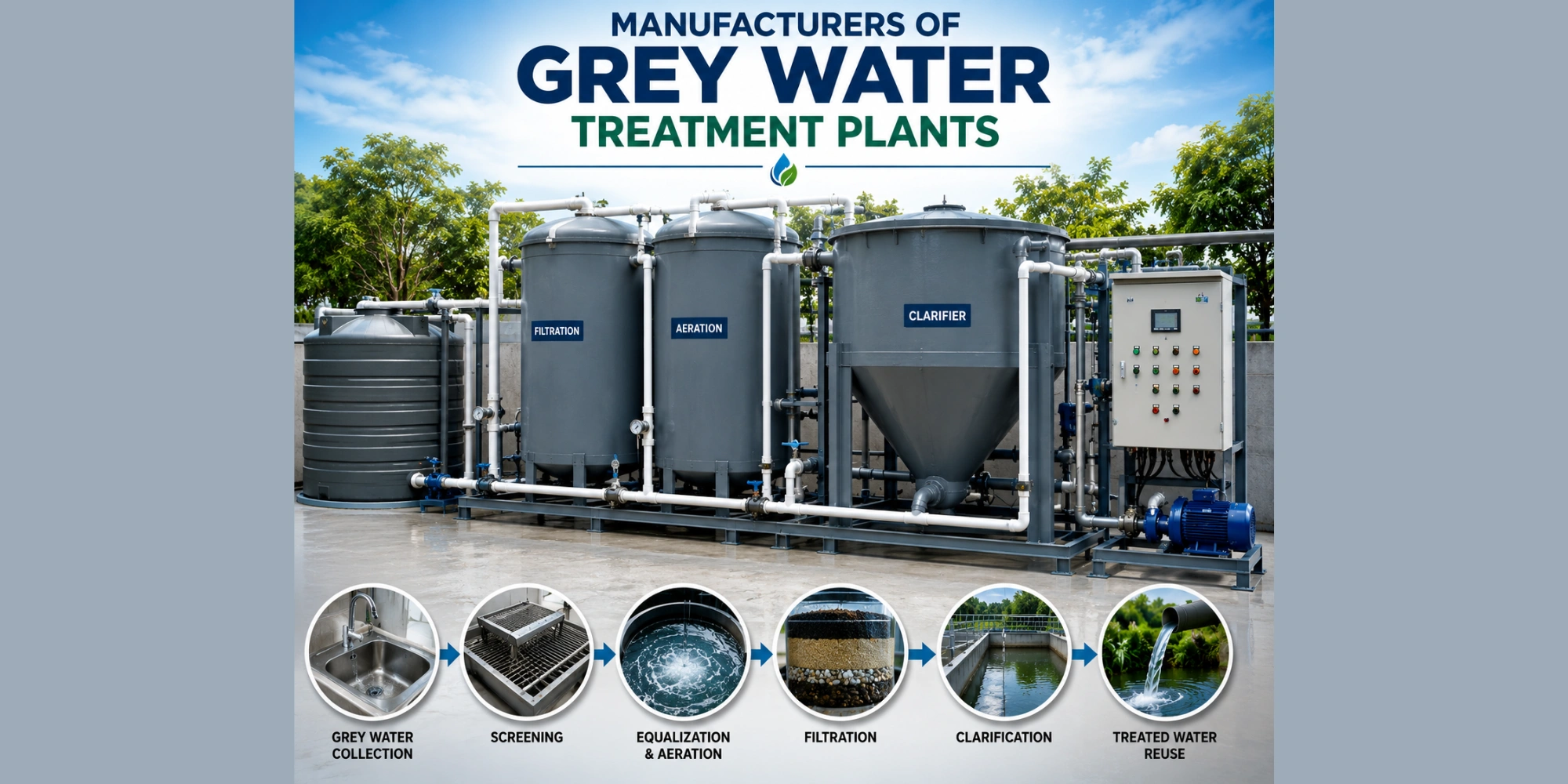
Screening, equalization, aeration, clarification, and sludge handling, along with tertiary filtration and disinfection, comprise the major components of most contemporary STPs. The latest technology enables the STPs to automate the monitoring of oxygen, pH, turbidity and flow, allowing standards set by pollution control be met with minimal staff.
The perception surrounding the addition of an STP has diversified to become a strategic investment approach, from solely fulfilling a legal requirement. The investment of STPs aids in the reduction of the cost of water and water supply and the preservation of fresh water. It also supports the attainment of sustainable development goals and enhances a development's environmental impact, both in the commercial and residential spheres.
Why Every Modern Property Needs One
Water scarcity has become one of Hyderabad's most problematic infrastructure issues. The greater dependency on water supply tankers has increased the operational costs for residential developments and overexploited groundwater resources. STPs, when designed correctly, can be used to treat and recycle wastewater for non-potable uses, therefore significantly reducing fresh water dependence.
Many large apartment complexes and gated communities consider STPs an essential utility. For commercial buildings, STPs lead to decreased costs associated with municipal water, improved ESG scores, and better compliance. In addition, industries use sewage treatment to conserve water and meet environmental discharge requirements.
In addition to water reuse, STPs help with the treatment of sewage, resulting in improved sanitation, reduced pollution of lakes and rivers, reduced contamination of groundwater and the aid of sustainable urban development. With the continual increase of environmental legislation, properties with STPs are in a better position regarding the sustainability and efficiency of the property.
Why Rapid Demand for STPs in Hyderabad?
Urban Growth and Water Problems
The last ten years have brought rapid growth to Hyderabad and its expanding IT and business parks, residential townships, educational campuses, and healthcare facilities. Areas such as Financial District, Gachibowli, Kokapet, Tellapur, Narsingi, Kompally, and Shamshabad have ongoing large-scale development.
The recent urban expansion has generated a considerable increase in sewage. Government agencies are investing thousands of crores just to keep pace with the sewage infrastructure and construct new treatment facilities for the increasing population. Recent government STPs have focused on wastewater management in Hyderabad and expanded the sewage network.
Since municipal development does not keep pace with private development, the majority of private builders construct STPs for their own uninterrupted wastewater management. This decentralized construct STPs approach also reduces the burden on municipal infrastructure.
An example of how environmental awareness has affected consumer choices can be seen in people's preferences during home buying. Those purchasing new homes increasingly choose those with systems to recycle water. Because of this, developers of homes see the addition of sewage treatment plants (STP) as a way to gain competitive advantages.
Environmental Regulations and Compliance
Environmental considerations have also contributed to the increased need for sewage treatment plants. In Telangana, the State Pollution Control Board mandates that the projects it approves have the necessary environmental clearances and comply with the treatment of wastewater guidelines. This includes the proper setting, monitoring, and obtaining of Consent for Operation for the STP.
Developers, industries, hospitals, hotels, and campus institutions have to ensure that the quality of treated effluent meets the standards for either discharge or reuse. Failure to do this can lead to fines, interruptions of service, and lawsuits.
Many organizations have come to view compliance as a means to achieve better sustainability and lower their cost of operations.
Moving Bed Biofilm Reactor (MBBR) Technology
MBBR technology is one of the wastewater treatment technologies most frequently implemented in the Hyderabad area. This is because MBBR has the advantages of offering highly efficient treatment in a small footprint and being easy to maintain.
MBBR technology has the added advantage of modularity, which permits the owner to easily add additional treatment trains as needed to meet new or increased treatment demands. This is especially beneficial in highly loaded facilities as the treatment demands are likely to be very variable in nature.
SBR TechnologySequencing Batch Reactor (SBR) technology is a wastewater treatment method that processes in batches, unlike continuous flow systems. The treatment process of filling, aeration, settling, decanting, and sludge removal can all occur in the same tank, but are done in a sequential order.
SBR treatment plants are very cost effective for the high-quality treated water they produce. Since automated controls manage the treatment cycles, the need for operators is diminished, making these systems suitable for use in residential townships, schools, and commercial buildings where quality output is a necessity.
MBR TechnologyMembrane Bioreactor (MBR) technology is a combination of a biological treatment system and a sophisticated method of membrane filtration. Membranes, unlike typical clarifiers, act as a barrier that separates treated wastewater from suspended solids, producing effluent that is of a very high quality and that can be recycled many times over.
Though MBR systems can be costly, they are preferred by many high-end commercial buildings, the pharmaceutical industry, hospitals, and high-end residential projects due to their compact footprint, excellent water quality, and facilitation of extensive water reuse.
| Technology | Space Requirement | Water Quality | Initial Cost | Best Applications |
|---|---|---|---|---|
| MBBR | Medium | High | Moderate | Apartments, Hotels |
| SBR | Medium | Very High | Moderate | Residential Communities |
| MBR | Low | Excellent | High | Hospitals, Industries, IT Parks |
STP Installation Process in Hyderabad
Site Assessment
A thorough site survey is integral to each STP installation. Engineers identify wastewater generation, peak flow, soil conditions, available space, utility connections, discharge requirements, and potential expansions.
This evaluation also informs regional regulations, nearby drainage systems, and the possible reuse of water. The right treatment technology is determined by these factors, not the lowest cost solution.
Design & EngineeringAfter the assessment, engineers construct hydraulic calculations, process flow diagrams, and design layouts of required equipment, piping, electrical, and automated systems. Good design and engineering ensure efficiency in treatment as well as the optimal use of energy and ease of maintenance.
In STPs of the modern era, PLC-based automation systems and energy-efficient design blowers and other equipment that help bring down the cost of operation while improving reliability and performance are increasingly incorporated.
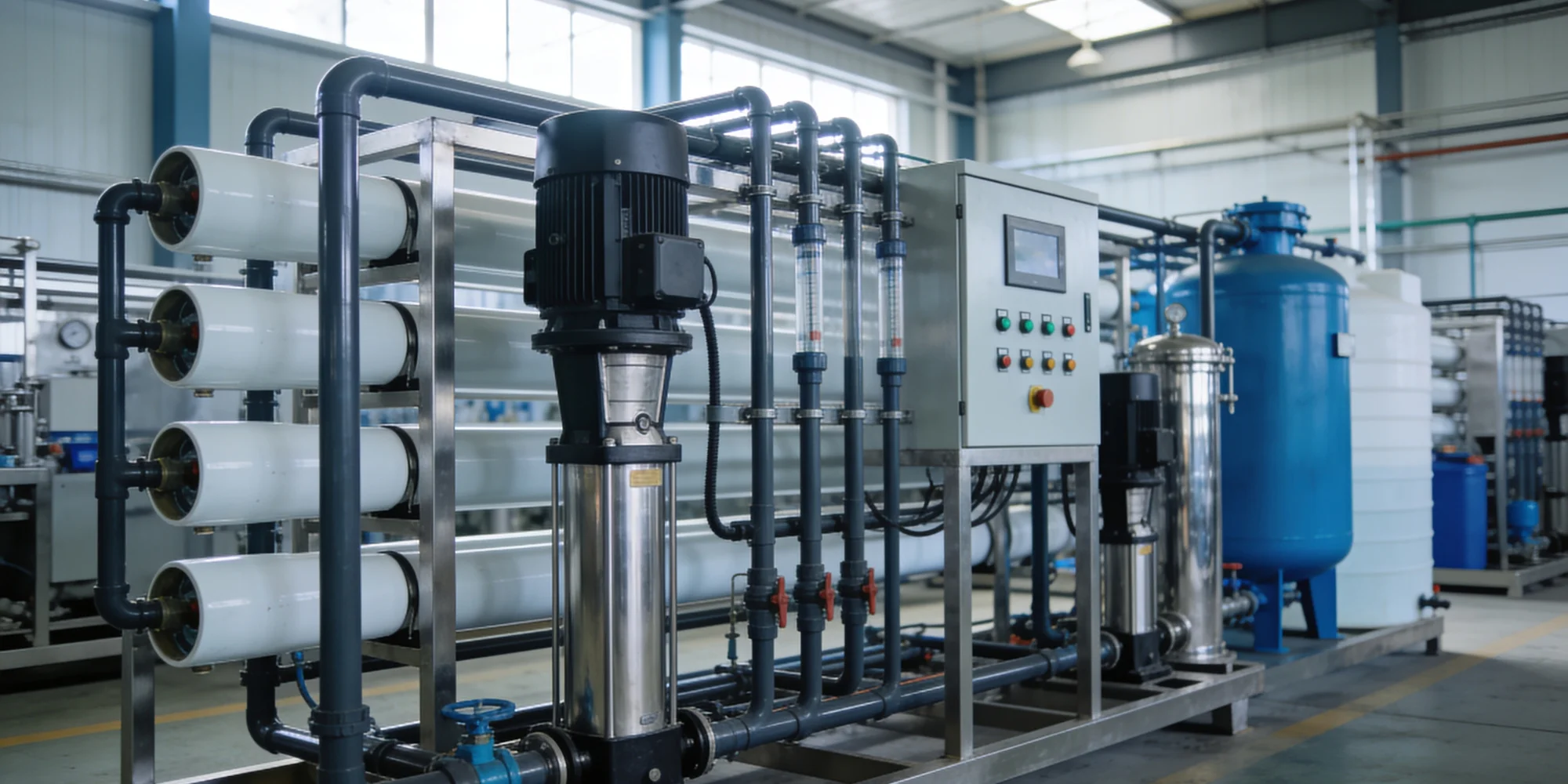
Equipment InstallationThe installation of STPs includes civil construction and fabrication of the various components and the installation of piping systems, pumps, blowers, diffusers, filtration systems, electrical panels and automation systems, as well as instrumentation systems and equipment for sludge handling and disinfection.
The direct impact of quality of installation on the performance of a plant during its life cycle is widely recognized. The proper alignment of equipment and piping, leak testing, and electrical and mechanical safety are requirements to help avoid operational issues in the future.
Testing & CommissioningPrior to delivering the plant, a number of commissioning activities are undertaken by the engineers, including hydraulic tests, calibration of all equipment, the biological seeding of the system, process tuning and the analysis of the water quality.
Operations are conducted in a trial mode until the plant is able to produce water that meets regulatory requirements. Routine operation of the plant is initiated once the personnel have been trained.
The Advantages of Installing an STP
Environmental
An appropriately monitored sewage treatment plant benefits the environment, as it stops the flow of untreated sewage into our natural water bodies. The city of Hyderabad has put a lot of resources into expanding the infrastructure of sewage treatment, as developing wastewater management systems has been beneficial to the environment.
Water treatment reduces the need to draw groundwater, especially when treated water is used for landscaping, toilet flushing, industrial water, and construction and does not impact the availability of drinking water.
Pollution reduction improves the ecosystem and public health, as well as the sustainability of the city.
FinancialMany property owners only see the up-front costs; however, the savings in the long run from using treated wastewater are significant, as the costs of purchasing freshwater and wastewater tankers are eliminated.
With the rise of municipal water costs, the savings from water recycling systems will become more important. Properties with better water recycling systems are more appealing to the environmentally concerned customer and renter.
Some of the other savings are:
- Water bills are lower
- Dependency on water tankers is less.
- Property value increases.
- Environmental compliance is less of a concern.
- Operational risks are less.
STP Pricing in Hyderabad
Pricing Considerations
The costs for a Sewage Treatment Plant in Hyderabad are not fixed; there are a variety of factors, technical and project related, that affect the price.
Major cost components include treatment capacity (KLD or MLD), water treatment technologies (MBBR, SBR, MBR), civil works, level of automation, water reuse criteria, accessibility of the site, electrical works, sludge management, operation and maintenance, and regulatory compliance.
Due to economies of scale, larger plants exhibit a smaller cost per unit of treated water. However, the capital cost of MBR technology is significantly higher than other technologies, but it results in a higher quality of treated water.
It is recommended that the property owner evaluate the lifecycle costs (including energy, maintenance, spare parts, water, etc.) instead of just the initial quote.
Selecting the appropriate STP contractor is equally as important as selecting the appropriate treatment technology. An established STP contractor will carry out an adequate wastewater characterization study, suggest and implement adequate treatment options and comply with all the required regulations, and utilize quality equipment with adequate after-sales service.
While assessing the contractors, ensure their technical know-how, prior jobs and the quality of service and level of their automation as well as commissioning and post-commissioning maintenance service. The study of prior completed jobs will also assist in evaluating the quality and the service over time.
A partner that will offer you a complete (turnkey) service is preferred. This will include the design, engineering, and fabrication as well as assembly and all required services for testing, commissioning, training of your personnel and all required maintenance service for a year.
Conclusion
As more residential, commercial, industrial, and institutional structures are built in Hyderabad, so too comes more demand for Sewage Treatment Plant Installation. Scarcity of water, new environmental laws, and focusing on the management of resources make STPs a wise decision and one of the basic services needed. Newer technology, including MBBR, SBR, and MBR, treat wastewater in an effective manner, and allow for treatment of water to be reused for environmentally friendly activities, such as watering plants and flushing toilets.
Developing any of the following; residential apartments, hospitals, schools, hotels, IT parks, and factories require building an STP with a professional design for long lasting environmental, operational, and financial effects. The right STP technology and an experienced installation contractor will help industries to help cost cutting on water, help preserve a diminishing natural resource, and aid the sustainable growth of Hyderabad.